
With the BC provincial election approaching, now is the time to consider how the outcome could impact your lives, housing affordability & supply, and the real estate market. Housing policies are a key topic in this election especially after the amount of housing policy changes over the past few years, and the decisions made affect both perspective home owners and current owners in Kelowna. Whether you're looking to sell your home, buy a new one, or plan for the future, staying informed on potential changes is crucial.
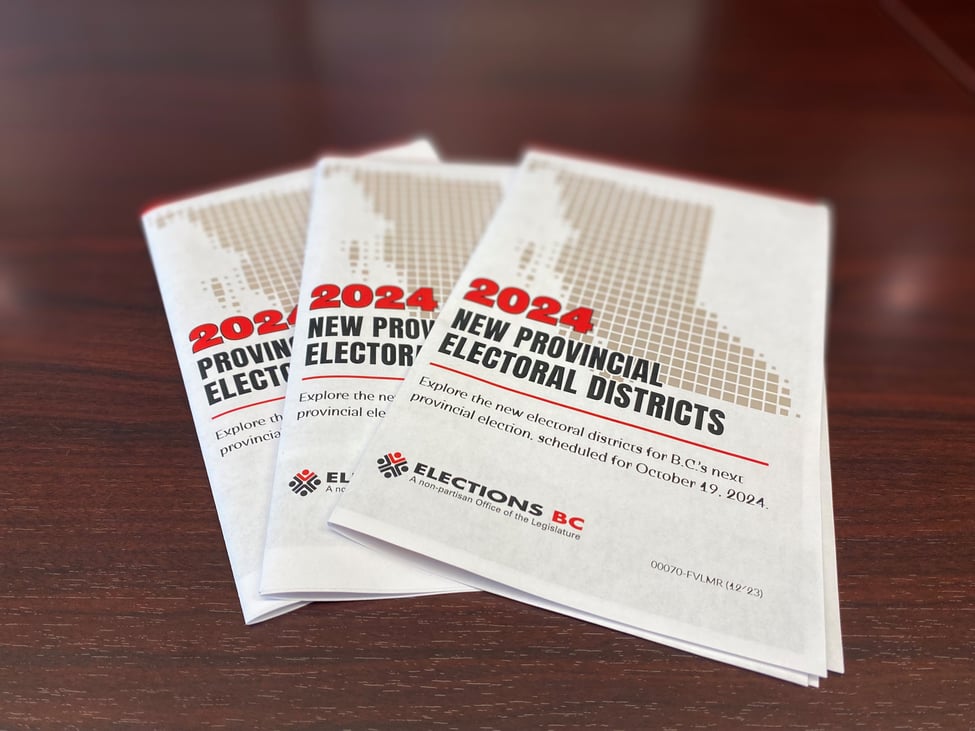
Don’t Forget to Vote: Your vote matters! Be sure to sign up to vote in the upcoming election and have a say in the future of BC's housing policies. The outcome shapes our world, and your futures - you can use the first link below to plan your vote. British Columbians are scheduled to head to the polls on Oct. 19. However, advance voting is slated for Oct. 10 to 13, 15 and 16.
https://elections.bc.ca/2024-provincial-election/
Key Info on Party Platforms on Housing and Taxes:
1. BC NDP (New Democratic Party)
Tax Policy: The BC NDP supports a range of taxes aimed at curbing speculation and managing housing demand. These include the speculation and vacancy tax, the property purchase tax, and school surtaxes on luxury properties. They focus on taxing foreign buyers and real estate investors to combat housing speculation and keep housing available for local residents.
Housing Policy: The BC NDP focuses on increasing the supply of affordable and rental housing through direct government action. They aim to regulate short-term rentals to free up housing stock, encourage building near transit hubs, and promote multi-unit housing. They also expanded rent control measures, such as capping annual rent increases, and introduced a renter’s tax credit to assist low- and middle-income renters (Apartment Blocks -)(BC NDP).
2. BC Conservative Party
Tax Policy: The Conservatives favour reducing taxes and regulation to stimulate private investment. They propose removing taxes such as the Property Transfer Tax on primary residences and reducing the regulatory barriers that developers face, with a focus on incentivizing construction.
Housing Policy: Their approach emphasizes market-driven solutions to increase housing supply. This includes streamlining building regulations, speeding up approval processes, and avoiding central government intervention. They argue that cutting red tape and lowering taxes will allow private developers to more efficiently meet housing demand (Apartment Blocks -).
3. BC Green Party
Tax Policy: The Greens focus on progressive taxation, especially measures that promote environmental sustainability. While less aggressive on taxation compared to the NDP, they also support taxing speculation and properties left vacant to discourage real estate hoarding.
Housing Policy: The Green Party’s housing strategy centers on protecting renters and increasing housing affordability. They advocate for vacancy control, tying rent prices to the unit rather than the tenant to prevent rent hikes between tenants. Their policies are aimed at stabilizing rental markets, preventing evictions for profit, and prioritizing affordable housing (BC Greens).
Each party's approach reflects their broader philosophy—government intervention for the NDP, market incentives for the Conservatives, and a focus on social justice and sustainability for the Greens.
These are only some of the key policies that British Columbians will cast their votes regarding. To do more research on what each Party supports, use the following links to explore the CBC breakdowns, as well as each Party's website:
BC GREEN https://bcgreens2024.ca/six-core-principles/
CONSERVATIVE PARTY https://www.conservativebc.ca/ideas
BC NDP https://www.bcndp.ca/action-for-you
CBC https://www.cbc.ca/news/canada/british-columbia
Regardless of where you stand on the issues, your vote is important! Be sure to plan your vote!

