
- Submenu for Living in Southeast Kelowna
- Living in Southeast Kelowna
- Southeast Kelowna Homes for Sale
By using our site, you agree to our
Terms of Use
and
Privacy Policy
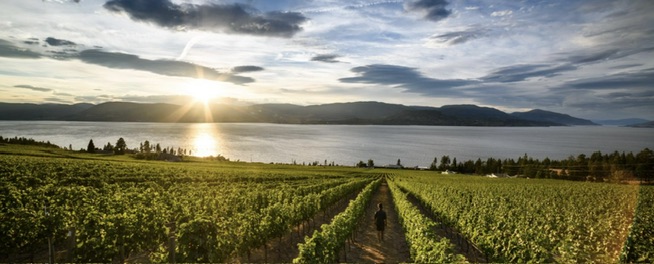
There is a certain appeal to having a little more distance between your front door and your neighbour's. In Southeast Kelowna, that distance often comes with country roads, agricultural landscapes, mature trees and room to enjoy the outdoors.
Located southeast of Kelowna's urban centre, this area offers a blend of rural residential living, established family homes, golf communities, working farms and luxury estates. It attracts people seeking greater privacy, usable land and a closer connection to the natural landscape without giving up access to the city.
Buying or selling here, however, requires a different approach. The value of an acreage is rarely determined by the house alone. Land use, topography, servicing, water, privacy, improvements and development restrictions can all influence what a property is worth and how it can be enjoyed.
This guide is designed to help you understand those differences, whether you are relocating to Kelowna, purchasing your first rural property, selling an acreage or moving into the next chapter of your life.
Rural and suburban residential living southeast of the city's urban centre.
Open space, orchards, golf, trails and a slower pace of everyday life.
Established residences, luxury estates, rural properties and agricultural land.
Southeast Kelowna appeals to homeowners who value their surroundings as much as the home itself. A property's outdoor space, privacy and connection to the landscape can be just as important as its interior finishes.
Larger parcels and lower-density residential areas can offer greater separation between neighbours, more outdoor living space and opportunities for gardening or recreation. Privacy varies considerably by property.
Orchards, vineyards and working farms are part of the area's identity. Seasonal changes bring different colours, activity and character to the surrounding landscape.
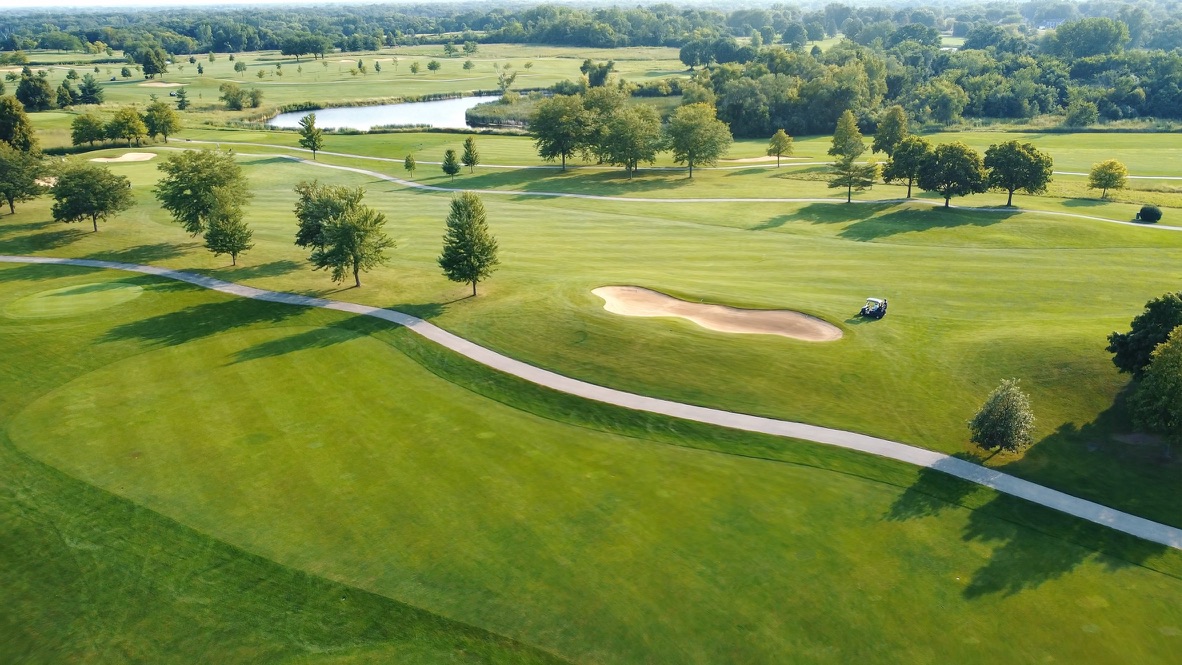
The Gallagher's Canyon area and surrounding countryside offer opportunities for golf, cycling, walking and enjoying the outdoors.
Some properties are suited to horse ownership and related pursuits. Buyers must confirm permitted uses, fencing, water availability, shelter and suitable pasture.
Depending on the property, larger outdoor spaces can accommodate gardens, pools, workshops and entertaining areas. Existing and proposed improvements should be reviewed for permit and zoning compliance.
Southeast Kelowna can feel removed from the busier parts of the city while still offering access to Kelowna's shopping, services and employment centres.
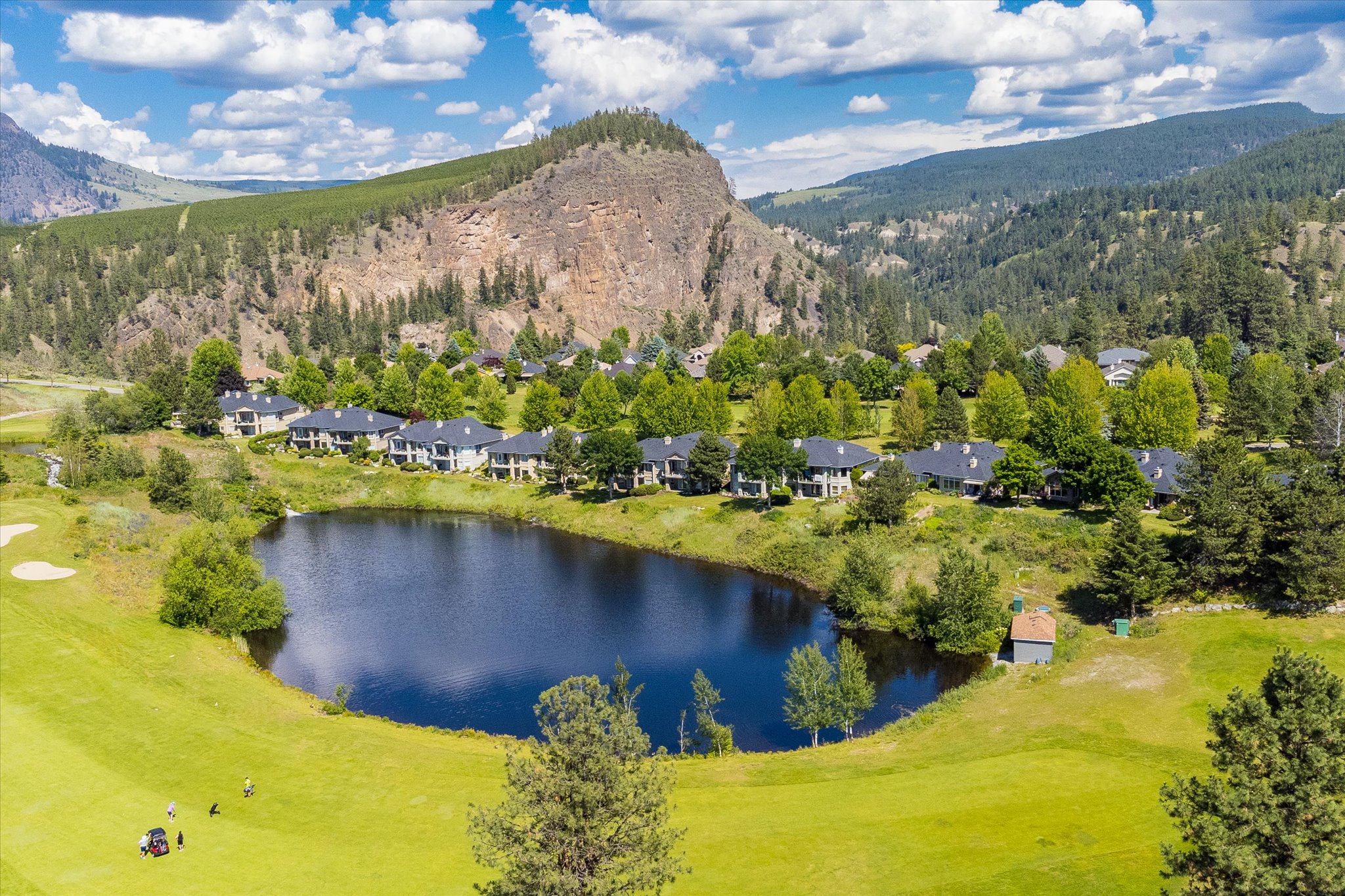
Southeast Kelowna is not a uniform residential subdivision. Its character changes considerably depending on the road, elevation, lot size, surrounding land use and proximity to services.
A golf-oriented residential community offering a more organized neighbourhood setting. Buyers should review applicable strata arrangements, community fees and recreational access.
Agricultural landscapes, established homes and rural properties contribute to the character of the eastern countryside. Adjacent farm operations should form part of a buyer's evaluation.
A varied landscape of agricultural land, established properties and rural residential homes. Road access, commuting patterns and servicing differ between locations.
Established rural residential surroundings near natural areas. Individual properties may differ substantially in lot usability, building condition and infrastructure.
Custom residences, extensive landscaping, outdoor amenities, privacy and larger parcels can define the estate market. These homes require highly individualized valuation.
Properties ranging from residential acreages to active agricultural operations. The distinction between owning land and having permission to use it in a particular way is especially important.
These descriptions represent general geographic and lifestyle groupings, not formal MLS neighbourhood boundaries. Confirm the location and classification of individual properties.
Real estate here covers a broad spectrum. Some buyers want a comfortable family home in a quieter setting, while others are looking for several acres, a custom estate, a workshop or land suitable for agricultural pursuits.
Established residences and custom-built homes offer varying lot sizes, architectural styles, ages and levels of privacy. Values depend on condition, location and property features.
Larger custom homes may feature extensive landscaping, pools, guest accommodations, workshops and premium finishes. The quality, legality and upkeep of these improvements matter as much as their appearance.
Acreages can provide privacy and flexibility, but the usable portion of the land, water infrastructure, zoning, access and maintenance costs should be considered carefully.
These properties may include barns, pasture, fencing, irrigation or productive crops. Their valuation should account for the condition, permitted use and economic contribution of those assets.
Two properties with similar homes and identical acreage can have very different market values. Usable terrain, privacy, access, water, zoning, views, infrastructure, improvements and the restrictions attached to the land can materially influence what buyers are prepared to pay.
Price per square foot is a useful reference, but it is rarely sufficient on its own when evaluating rural or luxury real estate.
A beautiful home can sit on complicated land. Before purchasing a rural property, it is important to understand not only the residence but also the legal, physical and operational characteristics of the entire property.
Some properties fall within British Columbia's Agricultural Land Reserve, commonly known as the ALR. Provincial agricultural land regulations may restrict subdivision, additional residences and non-agricultural uses. Confirm the property's status and applicable permissions before purchasing.
Review municipal zoning, development permit requirements, setbacks and permitted uses. Do not assume that a large property allows a carriage house, commercial business, additional dwelling or future subdivision.
Establish the source, capacity and quality of domestic water. Where applicable, confirm well performance, irrigation arrangements, water licences, seasonal availability and associated operating costs.
If the property relies on an onsite wastewater system, review its age, design capacity, maintenance records and condition. A qualified professional can assess whether it is suitable for your intended occupancy and future plans.
Evaluate slopes, retaining structures, surface drainage, grading and potential areas of erosion or water accumulation. A property's total acreage may be considerably greater than its practically usable land.
Confirm legal access, driveway condition, shared-road arrangements and maintenance obligations. Consider winter access, emergency vehicle access and the practical needs of larger vehicles.
Review the condition, permitted use and construction history of secondary structures. Electrical capacity, heating, drainage and structural suitability may affect their practical value.
Assess surrounding vegetation, access, defensible space and property maintenance. Obtain insurance quotations early and confirm that the property and its intended uses qualify for appropriate coverage.
Budget for landscaping, fencing, irrigation, snow removal, equipment, septic servicing, utility infrastructure and general upkeep. Larger properties can bring larger responsibilities.
With more than 13 years of construction experience and more than 13 years advising real estate clients, I approach property evaluation with an appreciation for both market value and the physical characteristics of a home.
My objective is to identify important questions early, help clients recognize potential costs and coordinate appropriate professional due diligence before they commit to a purchase. This complements, rather than replaces, qualified inspections, engineering advice and legal review.
Southeast Kelowna offers a quieter residential environment, with access to many of the recreational and everyday conveniences available throughout the greater Kelowna area.
Families should review Central Okanagan Public Schools catchment boundaries, transportation options and school availability for the specific property they are considering.
Gallagher's Canyon is a recognizable part of the surrounding recreational landscape. Confirm current membership options, public access and applicable community amenities directly with the relevant provider.
Myra-Bellevue Provincial Park and the wider trail network provide opportunities for hiking, mountain biking and exploring the natural surroundings.
Most major shopping, healthcare and professional services are accessed through other parts of Kelowna. Travel requirements depend on your property's location and daily routine.
Seasonal farm produce, agricultural businesses and the surrounding orchard and vineyard landscapes contribute to the region's distinctive identity.
A personal vehicle is often practical for rural living. Consider actual driving routes to work, school and essential services, along with transit availability and winter driving conditions.

Every neighbourhood offers a series of trade-offs. Understanding them before purchasing is a much better strategy than discovering them afterward.
More land does not necessarily mean more freedom. The right property is the one that gives you the lifestyle you want without introducing obligations, restrictions or expenses that work against your objectives.
Buying a rural or luxury property should begin with understanding how you intend to use it. That helps establish which properties are genuinely suitable before negotiating price.
Establish how much land you need, your desired lifestyle, commuting requirements, recreational interests and long-term plans.
Consider purchase price alongside taxes, financing, insurance, maintenance and anticipated capital improvements. Discuss acreage financing requirements with your lender.
Examine land usability, infrastructure, access, buildings, servicing and surrounding land uses, rather than focusing exclusively on the residence.
Analyze relevant comparable sales, competing listings, differences in land characteristics, improvements and current market conditions.
Structure an offer around market evidence, property-specific risks, appropriate conditions, timing and your overall financial position.
Coordinate suitable inspections, title review, municipal inquiries, water and wastewater assessments, financing and insurance before making a firm commitment.
Selling an acreage or luxury estate is considerably different from marketing a conventional home in a large residential subdivision. Unique properties require a clear understanding of their competitive advantages and the buyers most likely to appreciate them.
My approach is to establish realistic market positioning, communicate value effectively and negotiate from a position of preparation rather than speculation.
Evaluate comparable sales, active competition, expired listings, land characteristics, improvements, condition and market liquidity to establish a defensible pricing range.
Assess different pricing approaches in the context of your objectives, the property's uniqueness, likely buyer demand and the consequences of extended market exposure.
Identify improvements, maintenance and presentation decisions that may strengthen buyer confidence without committing to unnecessary expenditure.
Use appropriate photography, video, digital distribution, property information and aerial imagery where suitable and permitted to communicate the property's distinctive value.
Evaluate buyer feedback, new competing listings, relevant sales and changes in market activity to refine our strategy when necessary.
Protect your interests by evaluating the complete offer, including price, conditions, timing, financing, deposits and the buyer's ability to complete the transaction.
Automated estimates and general neighbourhood averages can struggle to account for the characteristics that make acreage and estate properties unique.
A detailed, property-specific market analysis provides a more meaningful starting point for understanding value, planning your next purchase and establishing a selling strategy.
For many established homeowners, moving to Southeast Kelowna is not simply about buying a bigger house. It is about making a meaningful change in lifestyle while protecting the equity they have accumulated in their existing home.
Coordinating the sale of one property with the purchase of another can be one of the more complex aspects of real estate. The timing, financial exposure and negotiating strategy deserve careful consideration before either transaction begins.
Establishing the sale of your existing home first can create greater financial certainty and improve your ability to negotiate a purchase. It may also create temporary accommodation or timing challenges.
Purchasing first may allow you to secure a rare or particularly suitable property, but can introduce financing, carrying-cost and resale risks. These should be evaluated before committing.
Align financing, deposits, conditional periods, completion dates and possession arrangements to reduce unnecessary disruption and financial exposure.
The price relationship between your current home and your next property may matter more than whether the overall market is rising or falling. Evaluate the actual cost of upgrading across both transactions.
It is to make both transactions work together in a way that improves your financial position, protects your interests and moves you closer to the life you are trying to build.
Rural residential and agricultural properties may offer long-term ownership opportunities, but their investment characteristics differ from those of conventional residential real estate.
Land quality, scarcity, desirable surroundings and permitted uses may influence long-term demand. Appreciation is not guaranteed, and carrying costs should be included in any investment assessment.
Improving an existing residence, infrastructure or outdoor amenities can enhance utility and potentially market appeal. The cost of an improvement does not necessarily equal the value it adds.
Existing crops, agricultural infrastructure or farm leases may contribute income. Buyers should investigate operating costs, water rights, lease arrangements, productivity and agricultural business risks.
Development, additional housing and subdivision depend on applicable regulations, servicing, site conditions and required approvals. Do not base a purchase price on unconfirmed development potential.
Future possibilities can be worth investigating, but speculative approvals, uncertain rezoning and unverified income should not be treated as established property value.
Southeast Kelowna is particularly appealing to people seeking privacy, outdoor space, rural surroundings and access to nature while remaining within reach of Kelowna's urban amenities. Its suitability depends on your lifestyle, budget, commuting needs and willingness to maintain a larger property.
Southeast Kelowna lies southeast of the city's main urban areas, encompassing a mixture of residential neighbourhoods, agricultural landscapes and rural properties. Exact neighbourhood and MLS boundaries should be confirmed for individual addresses.
Property types include established single-family homes, custom residences, golf-community homes, luxury estates, residential acreages and agricultural properties. Availability varies with current market inventory.
It contains a significant variety of property types, including high-end custom homes and luxury estates. However, not every property is a luxury residence, and each should be evaluated according to its individual characteristics and market position.
Prices vary considerably depending on land size, location, condition, construction quality, zoning, privacy and improvements. Reviewing recent comparable sales and active competition is more useful than relying on a single neighbourhood average.
The Agricultural Land Reserve, or ALR, is a provincial land-use designation intended to protect agricultural land. Properties within the ALR are subject to provincial regulations in addition to applicable municipal requirements. Confirm the status and rules for any property before purchasing.
Possibly, but not automatically. Eligibility depends on zoning, ALR status, servicing, building regulations and applicable approvals. Confirm written requirements with the relevant authorities before relying on additional dwelling potential.
Some properties may accommodate equestrian uses. The suitability of an individual property depends on permitted land use, parcel size, water, fencing, shelter, setbacks and the condition of existing facilities.
Servicing arrangements vary by address. Some properties may have public or utility water connections, while others may rely on wells or other arrangements. Wastewater servicing must also be confirmed individually rather than assumed based on the neighbourhood.
It can be. Larger properties may involve additional landscaping, fencing, irrigation, equipment, driveway maintenance, servicing and insurance costs. The actual difference depends on the property and your intended use.
Subdivision is not guaranteed by lot size. It depends on municipal regulations, ALR status, access, servicing, site conditions and applicable approvals. Professional planning and municipal consultation are essential before relying on subdivision potential.
A property-specific comparative market analysis should assess relevant sales, current competition, land characteristics, zoning, condition, servicing, improvements and market demand. Unique properties often require substantially more analysis than conventional residential homes.
Begin by establishing the realistic value of your existing home, financing options, available equity and the price range of your intended purchase. A coordinated real estate strategy can help determine whether selling first, buying first or structuring conditional transactions is appropriate for your circumstances.
These resources provide useful starting points for researching property ownership, permitted uses, local services and recreational opportunities.
Municipal information, planning, building permits, services and property-related resources.
Municipal land-use regulations, development requirements and zoning information.
Agricultural development, applicable permits and planning approval requirements.
Agricultural Land Reserve information, provincial regulations, policies and applications.
Regional health information and resources relating to drinking water and onsite wastewater.
School information, registration, catchments and educational resources.
Provincial park information, trail access and current advisories.
Wildfire preparedness and practical resources for homeowners.
Whether you are buying a rural property, selling a luxury estate or coordinating a move from one home to another, my objective is to help you make informed decisions, negotiate intelligently and navigate the inevitable complexities of real estate.
I combine real estate advisory experience, a construction background, strategic marketing and market analysis to help clients understand both the opportunities and the risks associated with their decisions.
Helping buyers and sellers navigate real estate decisions.
Bringing practical property knowledge to real estate advisory services.
National sales recognition.