
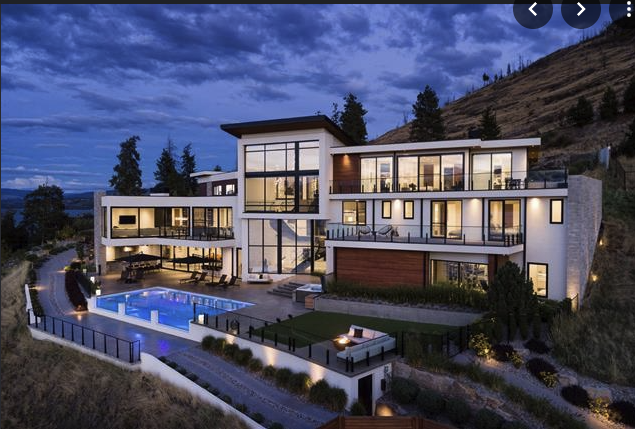
Selling your home in Kelowna is more than a marketing exercise. It is a significant financial decision that deserves a well-considered strategy.
Whether you are moving into a larger home, downsizing, relocating or selling an investment property, the objective is not simply to find a buyer. It is to achieve the strongest available outcome while protecting your equity, managing risk and keeping your next chapter on track.
I help homeowners throughout Kelowna, West Kelowna and Lake Country make informed decisions through detailed market analysis, professional property marketing, intelligent negotiation and a practical understanding of how homes are built.
A successful sale is rarely the result of one exceptional decision. It is the result of a series of well-executed decisions working together.
Understand your competition, recent sales, buyer demand, absorption rates and the negotiating environment before deciding how to position your property.
Identify the improvements worth making, recognize potential buyer objections and avoid spending money on work that is unlikely to deliver a meaningful return.
Present your property with thoughtful photography, compelling storytelling and targeted digital exposure appropriate to the home and its likely buyer.
Evaluate price, terms, timing, conditions and the strength of an offer together. Protect your interests rather than focusing on the headline number alone.
Your home's market value is not determined by its assessed value, what you paid for it or what a neighbour is asking. It is influenced by what informed buyers are prepared to pay for comparable properties under current market conditions.
Recent transactions adjusted for location, size, condition, features and meaningful differences between properties.
The alternatives buyers can purchase today, including their pricing, presentation and relative value.
The relationship between available inventory and completed sales within your relevant market segment.
Construction quality, maintenance, renovations, mechanical systems and potential future expenditures.
Views, privacy, schools, accessibility, neighbourhood appeal, outdoor space and location-specific advantages.
Showing activity, competing listings, price reductions, days on market and the preferences of qualified buyers.
A valuation should be a conversation, not an automated number. My comparative market analysis considers the characteristics of your property alongside the conditions affecting its particular segment of the Okanagan real estate market.
The right pricing strategy depends on your objectives, the competition, your timeline and your willingness to accept uncertainty.
Position the home above its estimated market range to test whether a buyer will pay a premium for its distinctive qualities.
Establish an asking price with a measured margin for negotiation while remaining competitive with relevant alternatives.
Position the home within a defensible market value range to attract buyers who recognize its relative value.
A higher asking price does not necessarily produce a higher selling price. The objective is to create the conditions for a strong negotiation, not simply an impressive number on a listing.
Buyers compare your home against alternatives. The relationship between price and perceived value determines whether they take the next step.
A well-maintained, thoughtfully presented home can reduce uncertainty and help buyers imagine living there.
Qualified buyers need to discover the property, understand its features and have a reasonable opportunity to view it.
Inventory, financing conditions, seasonality and buyer demand influence the opportunities available to sellers.
Marketing creates opportunity. Pricing, presentation and negotiation help turn that opportunity into a transaction.
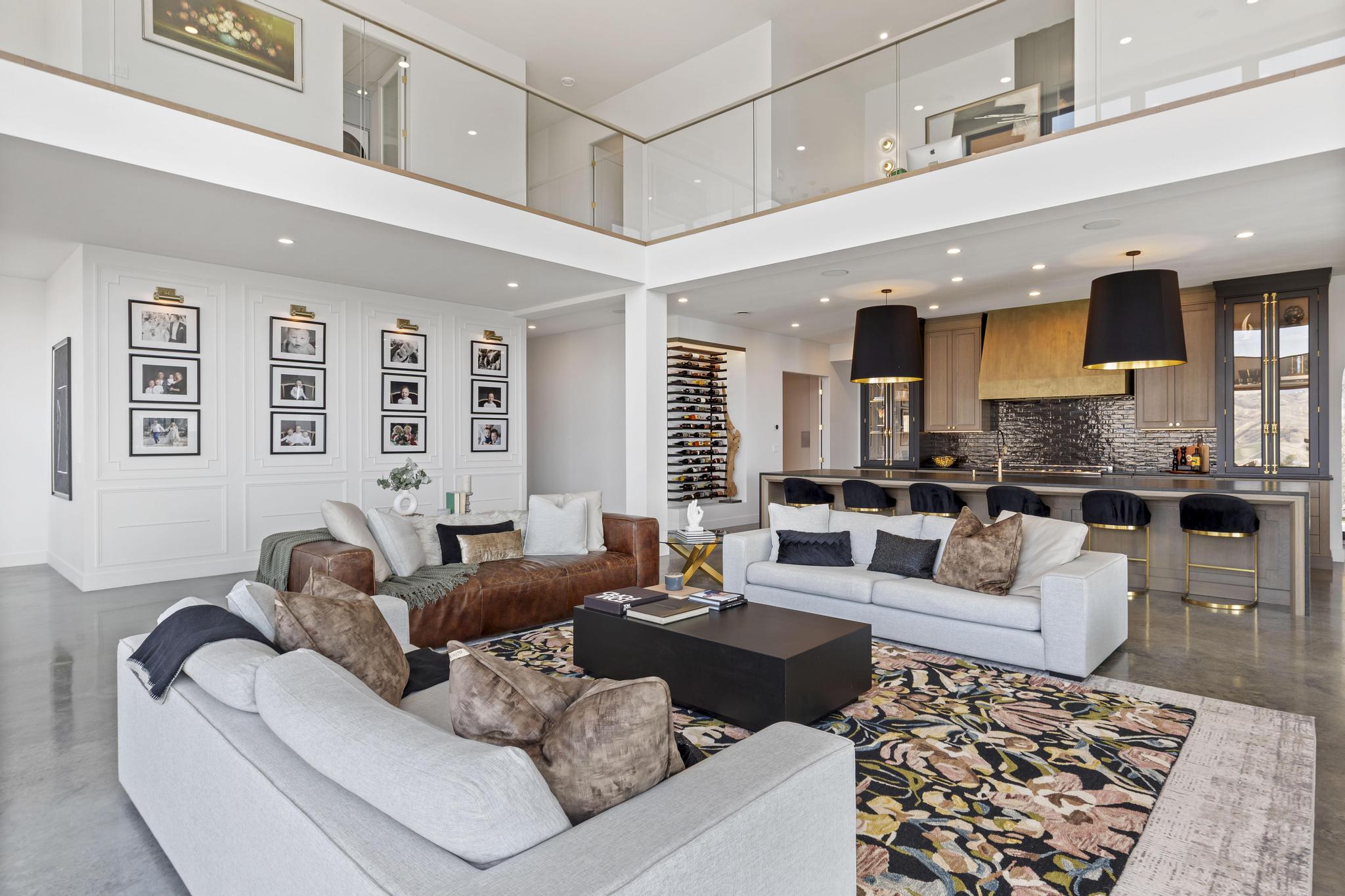
Good marketing is not about making every home look expensive. It is about communicating why a particular property is worth a buyer's attention.
I develop a marketing strategy around the property, its competitive advantages and the audience most likely to appreciate them. Depending on the home, that strategy may incorporate the following:
Carefully composed architectural photography that communicates space, natural light, condition and lifestyle.
Visual storytelling that helps buyers understand the experience of living in a property before visiting it.
Where appropriate and permitted, aerial imagery communicates location, lot characteristics, views and surrounding amenities.
Useful information that helps buyers evaluate layout, functionality and whether the property meets their needs.
MLS exposure, property websites, social media, agent networks and appropriate digital marketing channels.
Thoughtful use of technology and AI-assisted workflows to support research, content development, marketing efficiency and analysis, with professional oversight.
With more than 13 years of construction experience, I approach property preparation with a practical understanding of how homes are built, maintained and evaluated.
Not every renovation is a worthwhile investment before selling. Sometimes the most effective improvements are also the least expensive.
Recognize visible maintenance concerns and property characteristics that may create uncertainty during showings.
Compare the likely benefits of improvements against their cost, inconvenience and completion timeline.
Give rooms space to breathe and allow buyers to focus on the property's architecture and layout.
Address entrances, landscaping, lighting and other details that influence a buyer's initial experience.
Gather relevant permits, renovation records, warranties and property information where available.
Discuss potential inspection issues and appropriate disclosures before they become complications in a negotiation.
Construction-informed real estate advice is not a substitute for a qualified home inspector, engineer or other specialist. It is an additional perspective that can help homeowners ask better questions and make more informed decisions.
Negotiation is not about being the loudest person in the room. It is about understanding leverage, recognizing opportunity and knowing when to advance, when to compromise and when to hold your position.
Assess the offer against market evidence, competing opportunities and your financial objectives.
Consider financing, inspections, due diligence and other conditions that affect transaction certainty.
Evaluate the amount, timing and contractual treatment of the deposit within the overall offer.
Coordinate dates around your move, financial obligations and next property purchase.
Understand available alternatives, market conditions and the relative strengths of each negotiating position.
Identify potential complications early and involve legal, financial or technical specialists where needed.
The highest offer is not always the strongest offer. A successful negotiation considers both the financial outcome and the likelihood of the transaction completing on acceptable terms.
One of the more complicated real estate transitions is selling your existing home while purchasing the next one.
For established homeowners in Glenmore, Wilden, Dilworth Mountain and Lake Country, moving into a larger or more suitable home often involves coordinating two transactions, financing, equity and family timelines.
Establish the proceeds from your sale and reduce uncertainty around your purchasing budget. The challenge is finding a suitable replacement home within your available timeline.
Secure the right replacement property before selling. This requires careful consideration of financing, carrying costs and the risk of a delayed sale.
Explore compatible dates, appropriate contractual conditions and financing options to help manage the transition.
Evaluate the difference between the value of your current home and your intended purchase. A softer market can sometimes improve the economics of moving up.
When you are selling and buying in the same market, the price difference between the two homes can be more important than the selling price of your current home in isolation.
Luxury properties require more than premium photography and an ambitious asking price. Their architectural characteristics, views, privacy, construction quality and lifestyle advantages deserve thoughtful analysis and positioning.
Identify the features that genuinely differentiate your home from other properties in its price range.
Communicate the property's value to established local homeowners and buyers exploring a move to the Okanagan.
Develop an approach to exposure, showings and communication that respects the homeowner's circumstances and privacy requirements.
Luxury is a specialty, not a minimum price requirement. I bring the same commitment to thoughtful advice and professional service to homeowners across all price points.
Discuss your objectives, timeline, property and the circumstances surrounding your next move.
Review comparable sales, active competition and market conditions to establish a defensible strategy.
Prioritize improvements, organize information and prepare the home for professional presentation.
Execute the agreed marketing plan and introduce the property to its intended audience.
Evaluate feedback, market changes and offers. Adjust the strategy when the evidence warrants it.
Coordinate contractual milestones, support the transition and remain available as a resource after the transaction.
The Okanagan is not one uniform real estate market. Different neighbourhoods, property types and price ranges can experience very different market conditions.
A comparative market analysis examines recent comparable sales, current competition, property characteristics and relevant market conditions. An in-person assessment can help identify important differences that automated estimates may overlook.
Spring often brings increased real estate activity, but it can also bring more competing listings. The best timing depends on your property type, competition, buyer demand and personal circumstances.
Selling timelines vary by neighbourhood, price range, property type, condition and market conditions. Recent comparable sales and active inventory provide a more useful estimate than a citywide average alone.
Not necessarily. Some improvements help reduce buyer objections, while others may cost more than they contribute to the sale. Evaluate the likely return, timeline and buyer expectations before committing to major work.
Selling first can establish your available equity and reduce financial uncertainty. Buying first may help secure a rare or particularly suitable property. The right approach depends on financing, available inventory and your tolerance for risk.
Potential expenses include negotiated real estate commissions, applicable taxes, legal fees, mortgage discharge or prepayment charges, moving costs and agreed property preparation expenses. These should be reviewed before listing.
Yes. Real estate commissions are negotiable. Homeowners should evaluate the proposed services, marketing plan, contractual obligations and overall value when selecting representation.
No. An assessed value reflects a valuation process tied to a specified assessment date. Current market value reflects the property's characteristics and relevant market conditions at the time of sale.
A measured negotiating buffer can be appropriate, but excessive pricing may reduce interest and weaken your position. The strategy should be supported by comparable properties and current buyer behaviour.
Review the pricing, presentation, exposure, showing feedback and changes in competing inventory. The appropriate response may involve adjusting the strategy, improving presentation or reconsidering the timing of the sale.
Full staging is not necessary for every property. Furniture placement, decluttering, lighting and selective styling may be sufficient. Vacant homes and certain luxury properties may benefit from a more comprehensive staging approach.
Look for relevant market knowledge, a defensible pricing methodology, professional marketing, negotiation experience, clear communication and a demonstrated commitment to protecting your interests.
Yes. Property preparation, marketing, showings and much of the transaction process can be coordinated remotely. Your agent and legal representative can help identify any requirements specific to your circumstances.
Yes. Existing mortgages are commonly discharged or otherwise addressed during completion. Speak with your lender about the outstanding balance, potential penalties and portability before committing to a sale.
No. Simon Ward serves buyers and sellers across a range of price points throughout Kelowna, West Kelowna and Lake Country, with luxury real estate and complicated move-up transitions as areas of specialty.

REAL ESTATE CONSULTANT
ROYAL LEPAGE KELOWNA
With more than 13 years advising real estate clients and more than 13 years of construction experience, I bring both a strategic and practical perspective to selling property.
My approach combines market intelligence, professional marketing, technology and intelligent negotiation. I believe homeowners deserve to understand the reasoning behind the recommendations they receive, particularly when the financial stakes are significant.
My objective is not simply to earn your business today. It is to become someone you trust to advise you, your friends and your family for years to come.
Sometimes that means recommending that you sell. Sometimes it means recommending that you wait. The advice should serve your interests, not my timeline.
Whether you are considering selling next month or simply exploring your options for the coming year, understanding your position is a worthwhile first step.
Let's discuss your home's value, your objectives and the opportunities available to you in the Okanagan real estate market.
Simon Ward | 250.859.8996