Your negotiating position begins long before the first offer arrives.
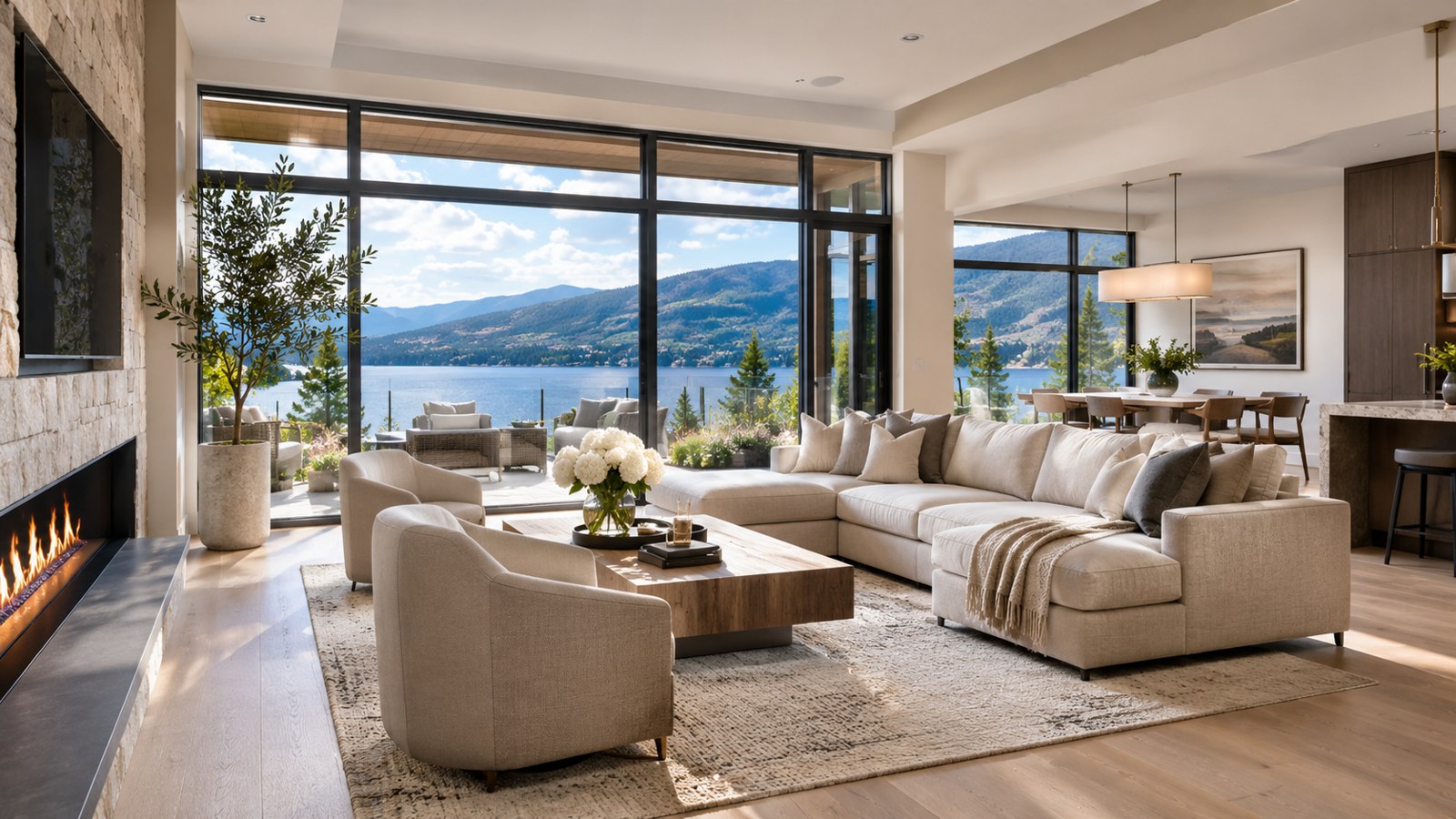
AI-generated illustration of a thoughtfully prepared home.
Preparing your home for sale is not about making everything perfect. It is about making intelligent decisions with the time, money and resources available to you.
Some improvements can meaningfully strengthen your property's appeal. Others may cost thousands of dollars without producing a corresponding increase in market value.
With more than 13 years of construction experience and more than 13 years advising real estate clients, I approach property preparation as an integral part of pricing, marketing and negotiation.
My objective is to help homeowners throughout Kelowna, West Kelowna and Lake Country identify what deserves their attention, what can reasonably be left alone and where their money is best kept in their pocket.
Practical experience that informs property preparation and improvement recommendations.
13+
Years Advising Clients
Understanding buyer behaviour, market positioning and the complexities of negotiation.
3
Strategic Priorities
Strengthen perceived value, emotional appeal and buyer confidence.
UNDERSTANDING THE BUYER
SELLING IS A TRANSFER OF FEELING.
Real estate decisions involve considerably more than comparing square footage, bedroom counts and asking prices.
Buyers are evaluating how a property makes them feel, whether it represents good value and how confident they are in the decision they are considering.
In my experience, much of the decision-making process can be understood through three fundamental questions.
01
PERCEIVED VALUE
Is It Worth the Money?
How does the property compare with other available homes? Does its condition, location, functionality and presentation justify the asking price?
Our objective is to position the property as a compelling choice against its competition.
02
EMOTIONAL CONNECTION
Can I See Myself Living Here?
Can prospective buyers imagine their own furniture, routines, belongings and lifestyle within the home?
Thoughtful presentation helps create room for buyers to form that connection.
03
CONFIDENCE
What Could Go Wrong?
Are there potential repairs, maintenance concerns, unexpected expenses or uncertainties that could make purchasing the property feel overwhelming?
Where reasonably possible, we want to address concerns before they become negotiating obstacles.
Every dollar we spend preparing a home should have a purpose. Improve its appeal, strengthen its perceived value or reduce uncertainty.
THE BUYER JOURNEY BEGINS BEFORE THE SHOWING
YOU MAY NEVER KNOW HOW MANY BUYERS DISQUALIFIED YOUR HOME.
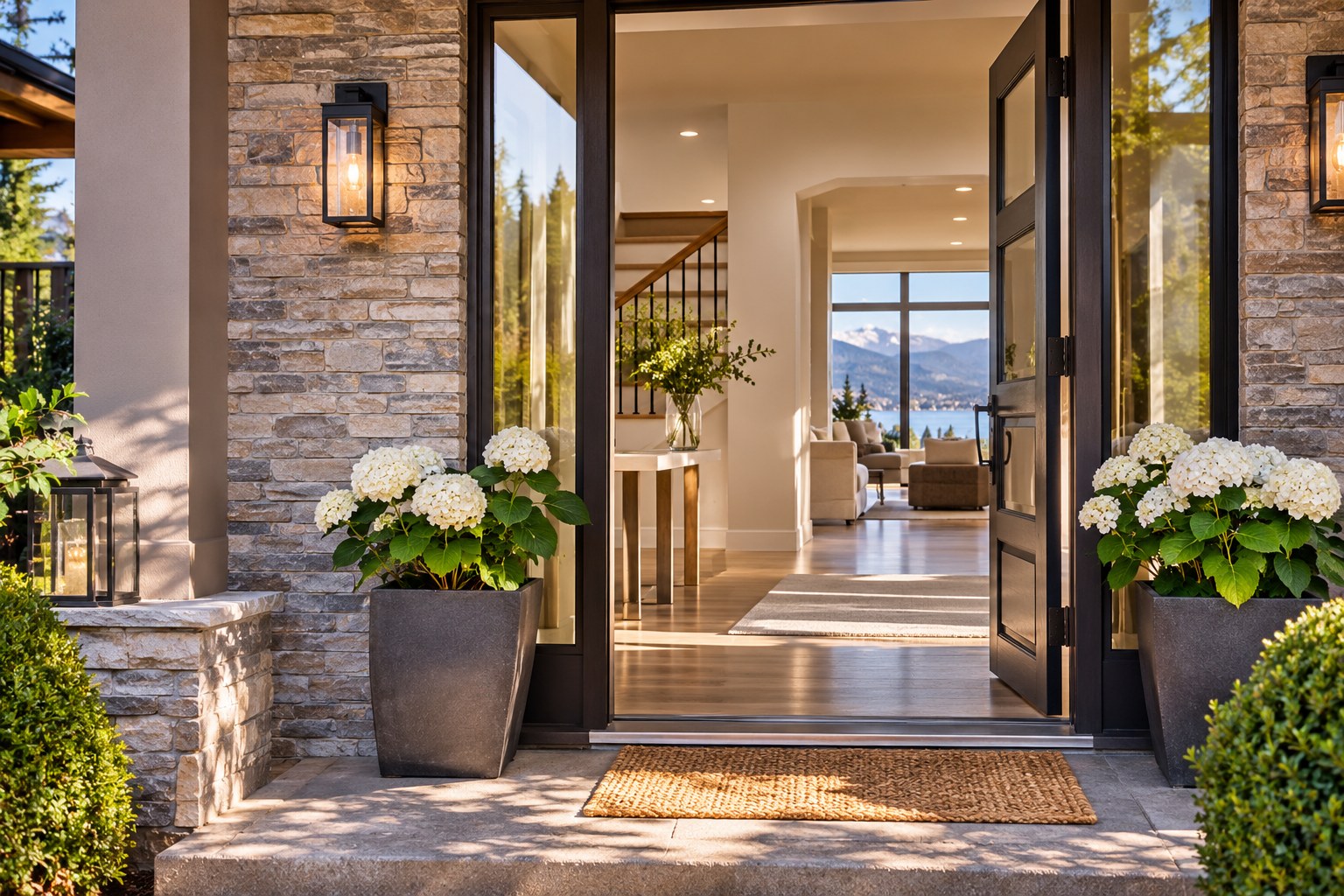
AI-generated illustration of an inviting property entrance.
I have seen buyers disqualify properties without ever stepping through the front door.
Sometimes it happens while browsing photographs online. Sometimes it happens when they drive past a property before deciding whether to arrange a showing.
It may seem unfair that a buyer can make a decision about an entire home based on a handful of photographs or a brief impression from the street. Nevertheless, it is a reality of selling real estate.
01
The Digital First Impression
Photography, presentation, asking price and the opening images of a listing influence whether buyers decide to investigate further.
02
The Drive-By Impression
Landscaping, exterior maintenance, parking, the front entrance and the overall appearance of the property can influence whether a buyer books a showing.
03
The In-Person Impression
Cleanliness, lighting, temperature, odours, functionality and visible maintenance concerns contribute to the experience of walking through the home.
We rarely receive feedback from the buyers who never book a showing. That is precisely why preparation matters before the listing goes live.
OUR STRATEGY BEGINS WITH UNDERSTANDING YOUR PROPERTY.
AI-generated illustration of a property preparation consultation. Does not depict Simon Ward or an actual client.
During a typical seller consultation, I conduct a comprehensive visual walkthrough of the interior and exterior of the property.
My construction background allows me to approach that conversation with practical insight into building materials, visible condition, mechanical systems, maintenance and the potential implications of certain improvements.
Everything we identify can help inform our preparation plan, pricing strategy and approach to defending the property's value during negotiations.
Exterior and Building Envelope
Consider visible roofing, siding, windows, exterior finishes, gutters, drainage, decks, railings and other accessible exterior components.
Interior Condition
Review flooring, walls, ceilings, doors, cabinetry, fixtures, finishes and visible areas requiring maintenance or further investigation.
Major Mechanical Systems
Discuss the apparent age, maintenance history and known condition of heating, cooling, plumbing, electrical and hot water systems.
Functional Considerations
Evaluate how the layout, storage, parking, outdoor spaces and individual features may be perceived by prospective buyers.
Potential Negotiating Obstacles
Identify concerns that buyers may raise during showings, inspections or contractual negotiations and consider appropriate ways to address them.
Preparation and Pricing Alignment
Determine which improvements may support our desired market positioning and which expenses are unlikely to justify their cost.
Professional advice within the appropriate scope.
My walkthrough is a real estate preparation and marketing consultation, not a formal home inspection, engineering assessment or certification of building condition.
Where concerns require specialized investigation, I recommend engaging appropriately qualified inspectors, contractors, engineers or other professionals.
HIGH-IMPACT COSMETIC IMPROVEMENTS
SOMETIMES THE MOST INTELLIGENT RENOVATION IS A FRESH COAT OF PAINT.
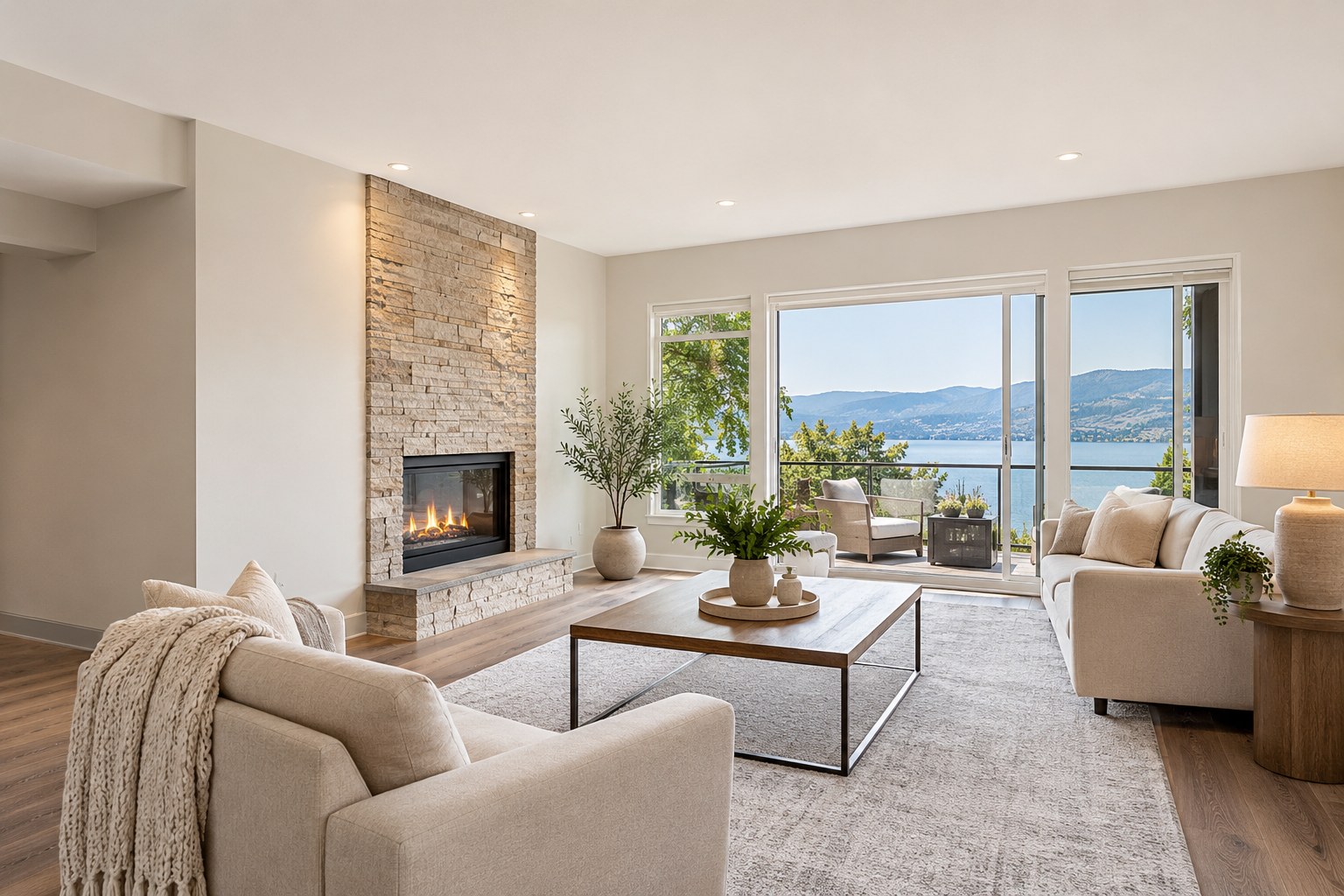
AI-generated illustration of neutral interior finishes and restrained staging.
One of the most common recommendations I make before selling a home is to consider fresh paint where the existing finishes are worn, inconsistent or highly personalized.
A thoughtful colour palette can make a property feel brighter, cleaner and more cohesive without requiring a major renovation.
When selling, we generally want to appeal to a broad range of prospective buyers rather than design the entire property around the preferences of one individual.
Broaden the Appeal
Consider replacing strongly personalized colours with more versatile tones that complement the existing architecture and finishes.
Restore a Sense of Care
Address scuffs, worn surfaces, damaged trim and inconsistent touch-ups where appropriate.
Preserve Architectural Character
Neutral does not have to mean sterile. Distinctive architectural details and tasteful finishes may deserve preservation rather than replacement.
ILLUSTRATIVE FINANCIAL COMPARISON
PREPARATION EXPENDITURE VERSUS A PRICE ADJUSTMENT
HYPOTHETICAL PAINTING EXPENDITURE
$5,000
HYPOTHETICAL PRICE ADJUSTMENT
$25,000
DIFFERENCE BETWEEN THE TWO AMOUNTS
$20,000
In this hypothetical example, the cost of improving the interior presentation is considerably less than the proposed price adjustment.
If presentation is genuinely the primary obstacle to buyer interest, addressing that obstacle may be worth investigating before reducing the asking price.
These amounts are illustrative, not contractor quotations or predicted outcomes. Painting does not guarantee that a price reduction can be avoided. A property priced above its supported market value may still require an adjustment regardless of its presentation.
Before spending thousands of dollars reducing your price, it is worth understanding whether the problem is the price, the presentation or both.
CREATING ROOM FOR IMAGINATION
LESS IS OFTEN CONSIDERABLY MORE.
Your home is filled with belongings, photographs, memories and personal design choices that reflect your life.
Those things have meaning to you. However, prospective buyers are trying to imagine their own lives within the same space.
The objective of decluttering and depersonalization is not to eliminate the warmth of your home. It is to give buyers enough visual space to recognize its possibilities.
Begin Packing Early
You are preparing to move anyway. Packing nonessential belongings ahead of time can reduce visual clutter and make the eventual moving process more manageable.
Reduce Personal Photographs
Consider temporarily removing prominent family photographs, highly personal collections and other items that may distract buyers from the property itself.
Showcase Available Space
Remove unnecessary furniture, clear walking routes and arrange rooms to communicate their dimensions and intended functionality.
Organize Storage Areas
Closets, garages, pantries and storage rooms are important property features. Excessive belongings can make useful storage appear inadequate.
Clear Everyday Surfaces
Reduce items on kitchen counters, bathroom vanities, bedside tables and other surfaces that influence the perceived cleanliness of a room.
Retain Warmth and Character
Thoughtfully selected artwork, plants, furniture and accessories can help a home feel inviting without making it feel excessively personalized.
We are not trying to erase the life you have built in your home. We are creating room for someone else to imagine theirs.
A SMALL REPAIR CAN BECOME A LARGE CONCERN IN A BUYER'S MIND.
Deferred maintenance does not merely influence the physical condition of a property. It can influence how buyers perceive the overall responsibility of owning it.
When buyers encounter a series of visible maintenance concerns, they may begin to wonder what else has been neglected.
A dripping faucet, damaged trim, loose railing, sticking door or worn exterior finish may individually represent a manageable repair. Collectively, those concerns can create an impression that the property requires considerably more work.
Buyers may overestimate the time, cost and inconvenience associated with addressing these issues, particularly when they do not have construction experience.
Plumbing and Fixtures
Address known leaks, dripping fixtures, loose faucets and other concerns through appropriate repair or professional investigation.
Doors and Windows
Review sticking doors, damaged hardware, broken screens, defective locks and windows that do not operate properly.
Walls, Trim and Finishes
Repair ordinary cosmetic damage where appropriate. Investigate staining, cracking or moisture-related damage before undertaking cosmetic work.
Address safety concerns and investigate damaged decking, loose railings, unstable stairs or visible structural deterioration.
Electrical and Lighting
Replace ordinary failed bulbs and address malfunctioning electrical components through qualified professionals where required.
Repair the problem. Do not simply disguise the symptom.
Painting over water stains, concealing moisture damage or covering evidence of an unresolved defect does not constitute appropriate property preparation.
The objective is to address concerns responsibly, understand their implications and ensure that applicable disclosure obligations are met.
We want buyers imagining their future in the home, not mentally assembling a renovation budget before they have finished the showing.
MECHANICAL CONFIDENCE
AGE ALONE DOES NOT NECESSARILY JUSTIFY REPLACEMENT.
A homeowner does not necessarily need to replace a functioning furnace, air conditioner or hot water system simply because it is approaching an age at which replacement may eventually become necessary.
The appropriate decision depends on actual condition, performance, maintenance history, safety, reliability, buyer expectations and the financial implications of replacement.
Heating and Cooling
Consider professional servicing where appropriate and assemble available installation, maintenance and warranty records.
Hot Water Systems
Review available age, service history and known condition. Obtain professional advice where performance, leakage or safety concerns exist.
Plumbing and Electrical
Identify known system characteristics, historical upgrades and concerns that may require qualified investigation.
Roofing and Drainage
Gather available information about roofing age, maintenance and repairs. Investigate suspected leaks or drainage concerns.
Fireplaces and Ventilation
Consider appropriate servicing and gather relevant documentation for fireplaces, ventilation equipment and other installed systems.
Specialized Equipment
Review pools, hot tubs, irrigation, water treatment, septic systems and other property-specific equipment where applicable.
Where significant concerns exist, reliable professional assessments and written repair estimates may provide a more useful basis for decision-making than automatically replacing equipment.
IDENTIFYING CONCERNS BEFORE NEGOTIATIONS
A PRE-LISTING INSPECTION CAN CHANGE THE CONVERSATION.
A pre-listing inspection may be a valuable investment, particularly where a property has older systems, an extensive renovation history or characteristics that could generate uncertainty among prospective buyers.
Rather than discovering a significant concern after accepting an offer, an inspection may provide an opportunity to investigate the issue, obtain professional advice and consider appropriate options before marketing the home.
01
Identify Potential Concerns
Understand accessible property conditions that may require maintenance, repair or specialized investigation.
02
Make Decisions Without Unnecessary Pressure
Investigate concerns before working within the time constraints of an accepted offer and its subject-removal period.
03
Develop a More Informed Pricing Strategy
Consider how identified conditions and potential repair costs may influence market positioning and buyer expectations.
04
Strengthen Transparency
Where appropriate, provide relevant inspection information, repair documentation and professional assessments to support informed buyer decisions.
What a pre-listing inspection cannot guarantee.
An inspection is limited by its scope, accessibility, conditions at the time of inspection and the expertise of the inspector.
It does not guarantee that the property is free from defects, eliminate disclosure obligations or prevent buyers from arranging their own independent inspections.
In British Columbia, engage an appropriately licensed home inspector and obtain specialist advice where the circumstances require it.
If a report identifies a significant concern, discuss appropriate repairs, further investigation and disclosure with your real estate professional and legal counsel where necessary.
I would rather understand a potential negotiating obstacle before we go to market than discover it when we are already under contract.
DOCUMENTATION AND NEGOTIATING LEVERAGE
RELIABLE INFORMATION IS MORE USEFUL THAN REASSURANCE ALONE.
A homeowner may know that their property has been well maintained. A prospective buyer, however, may have very little information about the work that has been completed.
Assembling relevant documentation before listing can help answer questions more efficiently and support accurate representations about the property.
Maintenance and Service Records
Heating, cooling, roofing, plumbing, fireplaces, irrigation and other relevant maintenance documentation.
Renovation Documentation
Available invoices, contractor information, permits, approvals and documentation relating to completed improvements.
Warranties and Equipment Information
Available installation dates, manuals, warranties and information concerning transferability.
Inspection Reports and Estimates
Relevant professional assessments, repair quotations and documentation of completed corrective work.
Property-Specific Information
Available surveys, plans, septic records, well information, dock authorizations or other documentation relevant to the property.
Strata Documentation
For strata properties, review applicable records, bylaws, financial information, depreciation reports, meeting minutes and other relevant documents.
Documentation should be reviewed for accuracy, relevance and appropriate disclosure before being shared. Personal information and unrelated confidential material should be protected.
AI-generated illustration of residential curb appeal.
A well-maintained exterior can communicate care before a prospective buyer has entered the home.
Fortunately, improving curb appeal does not necessarily require an extensive landscaping project. In many circumstances, a handful of thoughtful improvements can make a meaningful difference.
Refresh Garden Beds
Remove weeds and debris, restore defined edges and replenish suitable ground cover where appropriate.
Groom Trees and Shrubs
Address overgrowth, maintain clear pathways and improve the visibility of architectural features without unnecessary removal of established landscaping.
Improve Lawn Presentation
Where lawns exist, maintain them appropriately through mowing, edging and responsible seasonal care consistent with local water restrictions.
Clean Exterior Surfaces
Remove ordinary dirt and debris from entrances, pathways, patios and suitable exterior surfaces using methods appropriate to the materials.
Refine the Entrance
Consider the condition of the front door, exterior lighting, hardware, house numbers, planters and entrance mat.
Organize Outdoor Spaces
Remove unnecessary equipment, organize bins, clear walkways and prepare outdoor furniture to communicate the property's functionality.
Landscaping should also consider the Okanagan environment.
Water conservation, seasonal heat, drought conditions and wildfire exposure are important considerations in many Okanagan neighbourhoods.
Although fresh bark mulch may improve the appearance of certain garden beds, combustible landscaping materials immediately adjacent to a home can increase wildfire vulnerability.
Consider noncombustible ground cover near the building, remove accumulated combustible debris and obtain current FireSmart guidance before making landscaping decisions.
WHAT YOU SPENT IS NOT NECESSARILY WHAT IT IS WORTH.
One of the most important distinctions in real estate is the difference between the cost of an improvement and the value the market assigns to that improvement.
A homeowner may spend $20,000 on a distinctive light fixture for their front entrance. That does not automatically increase the market value of the property by $20,000.
A buyer may appreciate the fixture, place considerably less value on it or prefer something entirely different.
Before undertaking significant improvements specifically for resale, it is important to consider whether the expenditure is likely to improve the property's competitive position sufficiently to justify its cost.
HYPOTHETICAL IMPROVEMENT ECONOMICS
COST IS NOT THE SAME AS CONTRIBUTORY VALUE
DESIGNER FIXTURE EXPENDITURE
$20,000
ASSUMED ADDITIONAL MARKET VALUE
$5,000
ILLUSTRATIVE UNRECOVERED EXPENDITURE
$15,000
25% of the hypothetical expenditure recovered through additional sale value.
The assumed $5,000 contribution is an invented example used to explain the principle. It is not an appraisal, renovation return benchmark or prediction of actual market value. Transaction costs and other financial effects are excluded.
OFTEN WORTH CONSIDERING
Practical Improvements
Fresh paint where needed.
Ordinary cosmetic repairs.
Professional cleaning.
Appropriate lighting improvements.
Decluttering and staging.
Reasonable landscaping maintenance.
REQUIRES CAREFUL EVALUATION
Major Expenditures
Complete kitchen renovations.
Extensive bathroom remodels.
Highly personalized luxury finishes.
Replacing functional mechanical equipment.
Major landscaping redesigns.
Structural or layout alterations.
A major renovation may make sense in certain circumstances. However, that decision should be supported by the property's condition, comparable sales, realistic contractor estimates, market expectations, timing and the financial risks associated with the work.
If an improvement is unlikely to strengthen your position sufficiently to justify the expenditure, I would rather see you keep the money.
THE TRUE COST OF A PRE-SALE RENOVATION
THE CONTRACTOR'S INVOICE IS ONLY PART OF THE EQUATION.
When considering a significant renovation before selling, homeowners should account for more than the initial construction quotation.
Direct Construction Costs
Materials, labour, design, demolition, disposal and other project-related expenses.
Unexpected Expenses
Potential hidden conditions, changes in scope, material availability and construction contingencies.
Carrying Costs
Additional ownership expenses if completing the work delays the listing or eventual sale.
Market Timing
The possibility that buyer demand, competition or market conditions may change while the work is being completed.
Execution Risk
Potential delays, workmanship concerns, permit requirements and the inconvenience of managing the project.
Buyer Preference Risk
The possibility that a future buyer would have preferred a different layout, finish or design direction.
ILLUSTRATIVE RENOVATION DECISION
TOTAL ADDITIONAL PROJECT COST
$40,000
$30,000 construction, $5,000 contingency and $5,000 incremental carrying costs.
ASSUMED INCREASE IN SALE PRICE
$30,000
Hypothetical increase in the property's eventual sale price.
ILLUSTRATIVE NET FINANCIAL EFFECT
−$10,000
In this example, the renovated home sells for more money, but the homeowner is financially worse off after accounting for the additional project costs.
Hypothetical figures only. Excludes changes in transaction costs, taxes and other potential financial effects. Actual outcomes depend on individual circumstances.
A higher selling price does not necessarily mean a better financial outcome. The objective is to evaluate the homeowner's net position, not simply the number that appears on the purchase contract.
THE PROPERTY PREPARATION DECISION FRAMEWORK
NOT EVERYTHING DESERVES THE SAME PRIORITY.
I prefer to organize potential improvements according to their likely impact, cost, urgency and relevance to the property's intended market positioning.
Significant repairs, necessary system replacements and improvements supported by professional assessments and market evidence.
LOWER IMPACT / LOWER COST
OPTIONAL
Minor decorative changes and accessories that may improve presentation without materially affecting the property's competitive position.
LOWER IMPACT / HIGHER COST
RECONSIDER
Highly personalized renovations, expensive designer fixtures and discretionary projects with limited evidence of financial benefit.
This matrix is an illustrative decision framework. Safety concerns, legal obligations and material defects must be considered separately, regardless of their cost or anticipated financial return.
The goal is not to complete the longest list of improvements. It is to complete the right ones.
PREPARING DISTINCTIVE PROPERTIES
LUXURY IS OFTEN COMMUNICATED THROUGH THE DETAILS.
Luxury properties, waterfront homes and distinctive estates may require a more individualized preparation strategy.
Buyers considering these properties may place particular importance on craftsmanship, functionality, privacy, architectural integrity and the condition of specialized amenities.
Architectural Finishes
Review visible wear, damaged finishes, cabinetry, stone surfaces, flooring and other details that contribute to the property's presentation.
Lighting and Integrated Technology
Confirm the operation of relevant lighting, automated blinds, audiovisual systems, security equipment and other installed technology.
Pools and Outdoor Living
Prepare outdoor amenities appropriately for the season and assemble relevant service records, manuals and maintenance information.
Waterfront Considerations
Review available documentation relating to docks, foreshore improvements, shoreline conditions, authorizations and known maintenance concerns.
Estate and Acreage Features
Consider workshops, guest accommodations, access roads, wells, septic systems, irrigation and other property-specific infrastructure.
Privacy and Security
Protect sensitive personal belongings, access information and confidential documentation during photography, marketing and showings.
Waterfront repairs, shoreline alterations, vegetation removal and dock modifications may require regulatory approval. Existing improvements should not be assumed to be compliant or automatically eligible for replacement.
Review winter-related wear, clean exterior surfaces, prepare gardens, investigate drainage concerns and organize outdoor living spaces.
SUMMER
Showcase Outdoor Living
Maintain appropriate indoor temperatures, prepare patios and pools, manage landscaping responsibly and consider wildfire-conscious maintenance.
AUTUMN
Prepare for Changing Conditions
Address accumulated leaves, gutters, outdoor lighting and appropriate heating system maintenance. Coordinate seasonal servicing where necessary.
WINTER
Create a Warm and Accessible Experience
Maintain safe access, appropriate indoor temperatures, effective lighting and suitable snow and ice management. Protect vulnerable systems from freezing.
The preparation strategy should reflect the property, current conditions, local requirements and the anticipated timing of the listing rather than relying on a rigid seasonal formula.
PREPARING FOR PHOTOGRAPHY AND SHOWINGS
MAKE THE EXPERIENCE FEEL AS GOOD AS THE PHOTOGRAPHS LOOK.
A thoughtfully photographed home should deliver a consistent experience when prospective buyers arrive in person.
Cleanliness
Pay particular attention to kitchens, bathrooms, windows, flooring and high-touch surfaces.
Lighting
Open appropriate window coverings, replace failed bulbs and consider consistent lighting temperatures within individual rooms.
Temperature
Maintain a comfortable indoor environment appropriate to the season.
Odours
Address the source of pet, cooking, smoke or moisture-related odours rather than attempting to mask them with strong fragrances.
Pets
Arrange appropriate pet care during showings and remove unnecessary pet-related clutter where practical.
Personal Security
Secure valuables, medications, personal documents, sensitive photographs and other items that should not be accessible during showings.
Understand the homeowner's desired timing, financial objectives, available resources and any related purchase or relocation plans.
PHASE 02
Complete the Property Consultation
Review the interior, exterior, visible condition, mechanical system information and relevant property characteristics.
PHASE 03
Evaluate the Competition
Understand how the property compares with relevant competing listings and recent sales.
PHASE 04
Identify Preparation Priorities
Separate essential concerns, high-impact improvements, optional enhancements and expenditures that may not be justified.
PHASE 05
Investigate and Address Concerns
Arrange appropriate inspections, obtain professional estimates and complete agreed repairs or improvements.
PHASE 06
Prepare the Presentation
Coordinate cleaning, decluttering, staging advice, landscaping and the final details before photography.
PHASE 07
Align Pricing and Marketing
Finalize the property's competitive positioning, creative direction and launch strategy based on its actual condition and characteristics.
PHASE 08
Prepare for Negotiations
Assemble relevant documentation, understand potential buyer concerns and establish an informed approach to evaluating offers.
By the time the first offer arrives, much of the work that strengthens our negotiating position should already have been completed.
YOUR PRACTICAL PRE-LISTING RESOURCE
THE HOME PREPARATION CHECKLIST.
Use this interactive checklist to organize your preparation. Select each item as it is completed or reviewed.
01 / PLANNING
Preparation Strategy
02 / CONDITION
Maintenance and Repairs
03 / SYSTEMS
Mechanical Preparation
04 / INTERIOR
Presentation and Staging
05 / EXTERIOR
Curb Appeal
06 / DOCUMENTATION
Prepare for Buyer Questions
07 / MARKETING
Photography and Launch
08 / SHOWINGS
Maintain the Presentation
This general checklist contains 48 preparation considerations. Not every item applies to every property. Checkbox selections are temporary and may reset when the page is refreshed.
YOUR REAL ESTATE ADVISOR
EXPERIENCE THAT EXTENDS BEYOND REAL ESTATE.
Simon Ward
REAL ESTATE CONSULTANT
ROYAL LEPAGE KELOWNA
My background combines more than 13 years of construction experience with more than 13 years advising real estate clients.
I believe homeowners deserve practical advice about their property, not simply a suggested asking price and a list of cosmetic improvements.
Understanding construction, buyer psychology, market conditions and negotiation allows me to approach the selling process from several complementary perspectives.
Sometimes my recommendation will be to make an improvement. Sometimes it will be to investigate a concern further. Other times, it will be to leave the property exactly as it is and keep your money.
My objective is to help you make informed decisions, protect your equity, capitalize on opportunities and mitigate the turbulence that can accompany a real estate transaction.
I am interested in building clients for life, not simply completing another transaction.
What should I do before listing my home for sale in Kelowna?
Begin with a property consultation, understand the competition, identify maintenance concerns and prioritize improvements that support your selling objectives. Cleaning, decluttering, paint and targeted exterior maintenance are often worth considering.
How far in advance should I prepare my home for sale?
The appropriate timeline depends on the property's condition, required repairs, contractor availability and desired listing date. Begin early enough to investigate concerns and complete meaningful preparation without unnecessary pressure.
Should I paint my home before selling?
Fresh paint may be worthwhile when existing surfaces are worn, damaged or highly personalized. The decision should consider the condition of the finishes, anticipated buyer preferences and the cost of completing the work.
What paint colours are best when selling a home?
Versatile neutral colours can broaden appeal, but the appropriate palette depends on natural light, existing flooring, cabinetry, architectural features and the character of the home.
Should I renovate my kitchen before selling?
Not automatically. Consider the existing condition, comparable properties, renovation costs, buyer expectations and potential delays. Targeted improvements may sometimes be more financially sensible than a complete remodel.
Should I renovate my bathrooms before selling?
A full renovation is not always necessary. Appropriate cleaning, maintenance, lighting, paint and minor fixture improvements may provide sufficient benefit. Significant renovations require individual financial evaluation.
Do expensive improvements increase home value by the amount spent?
No. The cost of an improvement and its contribution to market value are different. Buyers may not assign the same value to an improvement that the homeowner does.
Which home improvements provide the best return before selling?
There is no universal ranking that applies to every property. Lower-cost improvements addressing visible condition, cleanliness, functionality and broad buyer appeal are often sensible starting points. Major expenditures should be evaluated against market evidence.
Should I repair everything before selling my home?
Not necessarily. Prioritize safety, significant defects, appropriate disclosure and maintenance concerns. Cosmetic improvements should be assessed according to cost, likely benefit and market positioning.
Should I replace an older furnace before selling?
Age alone does not establish that replacement is necessary. Consider actual condition, performance, maintenance history, safety and professional advice before committing to a replacement.
Should I replace my hot water tank before selling?
The decision depends on condition, age, reliability, known concerns and relevant insurance or buyer requirements. Obtain appropriate professional advice rather than replacing equipment automatically.
Is a pre-listing home inspection worthwhile?
It can be valuable when identifying potential concerns before negotiations, particularly for older or more complex properties. The merits depend on the individual home and selling strategy.
Does a pre-listing inspection guarantee that my home has no defects?
No. Inspections have limitations and may not identify concealed, inaccessible or developing defects. Buyers may still arrange independent inspections, and applicable disclosure obligations remain.
What happens if a pre-listing inspection identifies a problem?
Consider appropriate specialist investigation, repair estimates, corrective work and disclosure. Significant findings may also influence pricing and negotiations. Obtain legal advice where necessary.
Do I need to disclose known defects when selling in British Columbia?
Applicable disclosure obligations must be respected. Known material latent defects require particular attention. A real estate professional and, where appropriate, legal counsel can help determine the proper handling of specific circumstances.
Should I remove family photographs before selling?
Reducing prominent personal photographs and highly personalized belongings can help buyers imagine their own lives within the property. It is not necessary to remove every personal item.
How much should I declutter before listing?
Aim to communicate the property's space, functionality and storage capacity without making the home feel unnecessarily empty. Packing nonessential belongings early can be particularly helpful.
Do I need to professionally stage my home?
Not every property requires full physical staging. I offer complimentary staging consultations and appropriate digital staging to help homeowners identify practical presentation opportunities.
Should I improve my landscaping before selling?
Targeted maintenance, clean pathways, groomed shrubs and an inviting entrance may improve curb appeal. Consider local water restrictions, wildfire-conscious landscaping and the financial merits of more extensive work.
Can buyers reject a property before booking a showing?
Yes. Online photographs, asking price, listing information and impressions from the street may influence whether buyers investigate a property further. This is why preparation and marketing should be coordinated before launch.
Is it better to improve my home or reduce the asking price?
That depends on the primary obstacle to buyer interest. Presentation improvements may help when condition or appearance is the concern, but an overpriced property may still require a pricing adjustment.
Can I sell my home without completing renovations?
Yes. A property can be marketed in its existing condition with appropriate pricing, accurate representation and required disclosure. Conceptual renovation imagery may help communicate potential where suitable.
How should I prepare a luxury home for sale?
Consider architectural details, finishes, specialized systems, landscaping, privacy, outdoor amenities and documentation. The strategy should reflect the property's distinctive characteristics and intended market.
How should I prepare a waterfront home for sale?
Review shoreline conditions, docks, outdoor living areas, specialized systems and available authorizations. Obtain appropriate professional and regulatory advice before undertaking shoreline alterations or repairs requiring approval.
Should I sell before or after completing major improvements?
Compare the potential increase in sale value with construction costs, carrying expenses, timing, market uncertainty and execution risk. The objective is to evaluate the overall financial outcome rather than simply achieving a higher sale price.
Can Simon Ward help me determine which improvements are worthwhile?
Yes. My seller consultations combine a visual property walkthrough, construction-informed advice, market analysis and preparation recommendations. Specialized technical concerns are referred to appropriately qualified professionals.
What areas do you provide home preparation consultations in?
I advise homeowners throughout Kelowna, West Kelowna, Lake Country and the surrounding Okanagan, including Glenmore, Wilden, Dilworth Mountain, the Upper and Lower Mission and other local communities.
INTELLIGENT PREPARATION. INFORMED DECISIONS.
PREPARE WITH PURPOSE.
PROTECT YOUR EQUITY.
Before committing to renovations, repairs or significant preparation expenses, understand which improvements are likely to support your selling objectives.
Together, we can develop a personalized preparation, pricing and marketing strategy that reflects your property, your timeline and your financial priorities.
Personalized advice. Thoughtful strategy. No obligation.
Serving Kelowna, West Kelowna, Lake Country and the surrounding Okanagan.
Information is provided for general educational purposes. Property preparation recommendations depend on individual circumstances. Construction-informed real estate consultations do not replace formal inspections, engineering assessments, legal advice or qualified trade services. Financial examples are hypothetical and do not represent guaranteed renovation returns, contractor quotations or predicted sale outcomes. AI-generated imagery is illustrative and does not represent actual client properties or completed projects.