
By using our site, you agree to our
Terms of Use
and
Privacy Policy
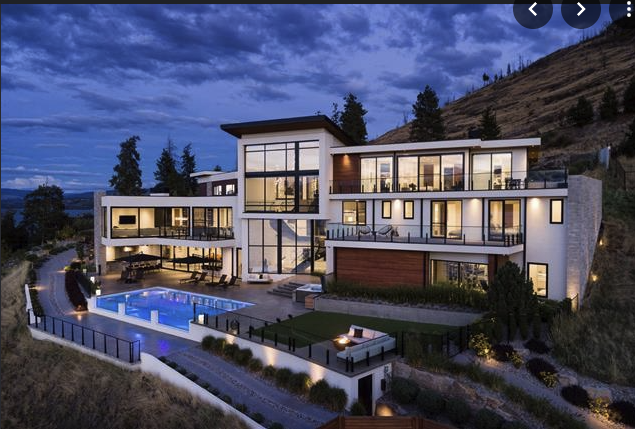
There is a considerable difference between listing a luxury property and actively selling one.
Exceptional properties deserve an intelligent pricing strategy, an understanding of their intended buyer, uncompromising presentation and a proactive approach to generating exposure.
I advise homeowners throughout Kelowna, West Kelowna and Lake Country through a combination of construction-informed property analysis, sophisticated marketing, technology, artificial intelligence and strategic negotiation.
From architecturally distinctive residences and waterfront properties to substantial estates and acreages, the objective is to understand what makes the property valuable, communicate that value to the right audience and protect your interests throughout the transaction.
Luxury means different things to different people.
For one buyer, it may be architectural distinction, exceptional craftsmanship and the finest materials. For another, it may be privacy, a private dock, uninterrupted lake views or the freedom that comes with owning a substantial piece of land.
Some buyers place extraordinary value on location. Others prioritize garages, entertaining spaces, wellness amenities, home automation or the ability to accommodate several generations of their family.
Understanding what defines luxury for the intended buyer is an important part of positioning and marketing an exceptional property.
Evaluate the property beyond its square footage and bedroom count. Understand its architecture, construction, functionality, setting, ownership considerations and distinguishing features.
Identify the property requirements, lifestyle priorities and motivations of the audiences most likely to recognize its value.
Develop a proactive marketing strategy that combines exceptional visual assets, intelligent distribution, professional networks and technology.
Establish a defensible pricing strategy, personally communicate the property's strengths, anticipate potential complications and negotiate intelligently.
Before developing a marketing campaign, we need to understand who is most likely to purchase the property and, more importantly, why.
Different buyers can look at the same residence and recognize entirely different sources of value. Effective marketing identifies those distinctions and communicates them intelligently.
Values architectural integrity, exceptional materials, thoughtful design, custom finishes and the relationship between form and function.
The marketing should communicate the quality of the details, not simply the scale of the residence.
May prioritize lake access, boating, swimming, outdoor entertaining and the experience of living in the Okanagan.
The marketing should help this buyer visualize an entire lifestyle rather than simply a collection of rooms.
May value substantial land, privacy, security, gated access, detached buildings, extensive garages, guest accommodations or recreational opportunities.
The property's land, improvements and functionality can be just as important as the principal residence.
May prioritize intelligent home systems, energy efficiency, wellness amenities, home offices, entertaining spaces and convenient access to essential services.
The marketing should communicate how the property improves everyday living.
Often seeks an exceptional home within a community they already know and enjoy. Their decision may involve family needs, established relationships and the equity accumulated in their current property.
Needs to understand the property, its location and the experience of building a life in the Okanagan. Community information and local expertise can play an important role in the decision.
These are illustrative buyer priorities, not rigid categories. Many buyers value a combination of these characteristics.
Our marketing is developed around the property's attributes and relevant buyer interests, with appropriate and inclusive advertising practices.
Valuing a luxury residence, waterfront property or substantial estate requires considerably more analysis than applying an average price per square foot.
The more distinctive the property, the more important it becomes to understand the individual components contributing to its value.
With more than 13 years of construction experience, I bring an additional perspective to assessing these characteristics and communicating their significance to prospective buyers.
Architectural character, floor plan efficiency, ceiling heights, natural light, orientation, indoor-outdoor integration and the functionality of the residence.
Materials, craftsmanship, structural characteristics, custom millwork, glazing, building systems and the quality of documented improvements.
Heating, cooling, ventilation, home automation, security, energy efficiency, backup power and specialized equipment.
Lot size, usable land, privacy, topography, orientation, views, accessibility, neighbourhood characteristics and the scarcity of comparable sites.
The practical cost, complexity and feasibility of recreating the residence or its distinctive improvements, while recognizing that replacement cost is not necessarily market value.
Maintenance requirements, future capital expenditures, available documentation, insurability and practical considerations associated with ownership.
Applicable zoning, development envelopes, registered restrictions, permitted uses and opportunities or limitations associated with future improvements.
The availability of genuinely comparable properties and the degree to which particular features are difficult to replicate within the relevant market.
Adjusted comparable sales, competing inventory, achieved sale prices, market absorption and buyer response within the property's particular segment.
Construction-informed real estate advice provides an additional perspective. It does not replace a formal appraisal, inspection, engineering assessment, survey or other specialist advice where required.
Owning a waterfront property in the Okanagan can be an extraordinary privilege. However, the complexities associated with waterfront ownership are not always apparent when standing on a beautiful dock overlooking the lake.
Waterfront real estate is a specialty within a specialty. The residence itself may represent only part of the property's overall value.
Understanding the shoreline, waterfront access, applicable authorizations, development restrictions and future ownership considerations is essential to establishing a well-informed valuation and marketing strategy.
An existing dock, retaining wall or improved shoreline does not necessarily establish that the improvement is compliant, nor does it guarantee that it can be repaired or replaced in its existing configuration.
These distinctions can have considerable financial implications for both buyers and sellers.
Two waterfront properties with similar residences and similar lot sizes can have remarkably different market values.
The characteristics of the waterfront itself often represent a significant component of the property's desirability.
Where reliable comparable evidence exists, waterfront frontage, usable land and shoreline characteristics may provide additional valuation context. However, no single waterfront metric should be relied upon in isolation.
The market value of a waterfront property is influenced not only by what exists today, but also by what can lawfully be maintained, repaired, replaced or developed in the future.
Riparian areas are the lands adjoining watercourses and bodies of water that support important ecological functions.
Applicable riparian protection requirements, local development permit areas and site-specific environmental assessments can influence vegetation removal, landscaping, excavation, construction and future development.
Understanding the applicable restrictions is particularly important when a buyer intends to modify the property near the shoreline.
The existence of a dock does not automatically establish that it complies with applicable provincial, local or federal requirements.
Available authorizations, historical documentation, dock dimensions, placement, configuration, boat lifts, setbacks and environmental conditions may all require consideration.
Depending on the circumstances, private moorage may operate under a general permission or require a specific authorization.
Foreshore improvements may involve land or aquatic areas outside the privately owned parcel.
Retaining walls, seawalls, stairs, shoreline armouring, beach modifications, fill and other improvements may require applicable permissions.
Understanding the status of existing improvements and any associated conditions can be important to determining future maintenance obligations and potential financial exposure.
A buyer may intend to construct a swimming pool, expand a residence, build a patio or add an accessory structure near the water.
Riparian protection requirements, zoning setbacks, flood construction requirements, development permit conditions and registered restrictions may affect the feasibility of those plans.
These considerations should be investigated before a buyer commits to a purchase based on assumed development potential.
Wave action, fluctuating water levels, drainage conditions and severe weather can contribute to shoreline erosion or bank instability.
The consequences may include reduced usable outdoor space, compromised retaining structures, changes to shoreline access and potentially significant remediation expenses.
Depending on the circumstances, survey, engineering and environmental expertise may be required to understand the implications.
Storms and high-water events can damage docks, boat lifts, retaining walls and other waterfront improvements.
Repair costs are only one consideration. The feasibility of restoration, insurance coverage, applicable authorizations and environmental requirements may also influence the outcome.
The ability to repair an existing improvement should not be assumed to include the right to expand or reconstruct it in a different configuration.
Older waterfront properties may contain improvements constructed under different regulatory requirements or with incomplete historical records.
Certain historical permissions or lawful non-conforming protections may be relevant, but age alone does not establish lawful status.
The ability to maintain, repair, replace or expand these improvements requires property-specific investigation.
Waterfront ownership does not necessarily include ownership of the adjoining beach or lakebed.
Title documents, surveys, the legally relevant natural boundary, registered charges, access arrangements and applicable Crown land authorizations may all require review.
The nature, conditions and transferability of any applicable foreshore tenure should be understood before relying on associated rights.
Historical high-water events, flood construction requirements, site drainage, elevation and shoreline protection may influence ownership costs and future development.
Insurance availability, exclusions, deductibles and coverage for docks or shoreline improvements should be confirmed with an appropriate insurance professional.
Proposed neighbouring docks, shoreline improvements, retaining structures or residential development may affect privacy, views, access and the enjoyment of a waterfront property.
Where these considerations are material, available development applications, applicable setbacks, registered rights and relevant restrictions should be investigated.
An existing view or level of privacy should not be assumed to be permanently protected.
Negotiating the sale of a waterfront property is not always as straightforward as agreeing on a price, arranging an inspection and establishing a completion date.
What happens when a storm damages a dock between subject removal and completion? What if a portion of the shoreline has eroded? What if a buyer intends to build a swimming pool near the lake, only to discover that environmental setbacks may prevent it?
These circumstances can introduce significant financial, contractual and practical complications.
The ability to identify potential problems, understand their implications and negotiate appropriate solutions can be particularly valuable when dealing with exceptional waterfront properties.
A waterfront property is under contract when a significant weather event damages the dock or boat lift.
The parties may need to consider the existing contract's risk provisions, insurance coverage, repair estimates, authorization requirements, responsibility for repairs and whether the original completion arrangements remain appropriate.
Depending on the circumstances, negotiated amendments, repair arrangements, insurance-related agreements or legal advice may be necessary.
A property has experienced significant erosion, leaving portions of the shoreline unstable or compromising existing retaining structures.
The transaction may require an assessment of shoreline stability, the feasibility of restoration, applicable environmental requirements, estimated remediation expenses and any implications for the property's boundaries or usable land.
These findings may influence the property's valuation, due diligence requirements and negotiated terms.
During due diligence, questions arise regarding the dimensions, location, historical authorization or configuration of an existing dock.
The parties may need to investigate whether the dock is authorized, whether modifications are necessary and whether the intended use can continue.
Where compliance cannot be confirmed, the uncertainty itself may affect marketability, value and the buyer's willingness to proceed.
A prospective purchaser intends to add a pool, expand the residence, construct a patio or undertake substantial landscaping near the water.
The feasibility of the proposed improvements may depend on riparian setbacks, development permits, zoning, flood construction requirements, environmental assessments and registered restrictions.
Appropriate contractual conditions and sufficient time to investigate these matters can help protect the buyer while providing the seller with a clearer understanding of the proposed transaction.
An inspection or specialist assessment identifies deterioration in a retaining wall or other shoreline protection structure.
Replacement may involve more than obtaining a construction estimate. Engineering requirements, shoreline authorizations, environmental considerations and limitations on the replacement design may need to be investigated.
The resulting costs, timelines and uncertainties may become important components of the negotiation.
An older waterfront property contains improvements for which the original permissions or construction records cannot readily be located.
The parties may need to establish what information is available, what can be independently verified and whether further investigation is required before proceeding.
The absence of documentation does not automatically establish non-compliance, but neither should compliance be assumed.
A prospective purchaser learns that an adjoining property owner intends to construct a new dock, modify the shoreline or undertake substantial development.
The proposed works may raise questions about setbacks, privacy, views, shoreline access, drainage or the practical enjoyment of the property.
The significance of these matters depends on the actual proposal, applicable permissions and any relevant property rights or restrictions.
A waterfront property is being sold while repairs are incomplete or an insurance claim remains unresolved.
The parties may need to consider responsibility for completing the work, the treatment of insurance proceeds, contractor availability, required permissions and the implications for completion.
Where appropriate and mutually agreed, carefully structured amendments or lawyer-reviewed holdbacks may help address outstanding obligations.
Recognize property-specific issues, incomplete documentation and potential complications as early as reasonably possible.
Determine what information is available and which matters require independent verification or specialist expertise.
Consider available repair estimates, remediation requirements, ownership implications and the potential effect on market value.
Develop appropriate contractual conditions, investigation periods and transaction arrangements based on the circumstances.
Address price, responsibility, timing and financial exposure with consideration for the client's interests and the practical feasibility of proposed solutions.
Work with appropriate professionals and relevant authorities to support informed decisions and the agreed transaction process.
My construction background provides an additional level of practical understanding when discussing building systems, shoreline improvements, repair requirements and potential complications.
Equally important is recognizing when specialized professional advice is required.
The objective is not to eliminate every uncertainty associated with waterfront ownership. It is to understand the material risks, investigate them appropriately and make informed decisions before they become expensive surprises.
Waterfront requirements vary by jurisdiction, property characteristics, proposed activity and applicable authorizations. The following official resources provide useful starting points for further investigation.
BC Laws — Provincial Legislation and Regulations
Government of British Columbia — Riparian Protection, Crown Land and Private Moorage
Fisheries and Oceans Canada — Projects Near Water and Fish Habitat Protection
City of Kelowna — Planning, Development and Property Information
City of West Kelowna — Planning and Development
District of Lake Country — Planning and Development
This information is educational and does not constitute a determination of regulatory compliance, property boundaries, development rights or legal obligations. Requirements and authorizations must be verified for the individual property and proposed activity.
Estate properties can involve several distinct components of value, including the principal residence, land, landscaping, accessory buildings and specialized improvements.
The size of the parcel alone does not necessarily establish its usefulness or market value. The quality of the land, permitted uses, available infrastructure and the functionality of the improvements all deserve consideration.
Each component needs to be considered in the context of its condition, functionality, legal status, buyer demand and contribution to overall market value.
Estate properties can also introduce complex due diligence requirements involving water supply, servicing, permitted uses, agricultural restrictions and the authorization of existing structures.
These considerations may influence how the property is marketed, which buyers are most likely to pursue it and how the eventual transaction should be structured.
Regardless of how impressive the photography, cinematic production or marketing campaign may be, it is imperative that the property is positioned appropriately within its market.
Luxury buyers frequently have access to a broad range of alternatives. An unrealistic asking price can cause even an exceptional property to be overlooked.
Establishing an appropriate pricing strategy requires more than reviewing a handful of comparable sales. We also need to understand the competition, the available buyer pool and the pace at which comparable properties are selling.
Analyze relevant completed transactions, accounting for meaningful differences in location, construction, land, condition and distinctive features.
Understand the alternatives available to prospective buyers and how your property compares in terms of quality, functionality and asking price.
Evaluate the relationship between completed sales and available properties within the relevant price range and property segment.
Consider how long comparable properties take to sell and whether extended exposure is associated with particular pricing or property characteristics.
Review expired, cancelled and reduced listings where available to understand which positioning strategies have struggled to generate a successful outcome.
Examine achieved sale prices, list-to-sale relationships, market direction, seasonality and the negotiating environment affecting the intended buyer.
Position the property above its estimated market range to test whether its distinctive qualities can command a premium.
Potential trade-off: longer exposure, fewer qualified enquiries and a greater likelihood of future price adjustments.
Establish a defensible asking price with a measured margin for negotiation while remaining competitive with available alternatives.
Potential trade-off: too large a buffer can prevent buyers from engaging in the first place.
Position the property within a well-supported market range to attract buyers who recognize its relative value.
Potential trade-off: less discretionary negotiating room, but potentially stronger initial buyer engagement.
Illustrative scenario for a property with an estimated market value of $2,500,000.
Difference between the asking price and estimated market value.
An ambitious asking price may be appropriate in certain circumstances. However, we must consider the opportunity cost of extended market exposure, ongoing ownership expenses and potentially diminished negotiating leverage.
Hypothetical pricing illustration. The difference shown is not an actual financial loss, predicted sale price or forecast of market performance.
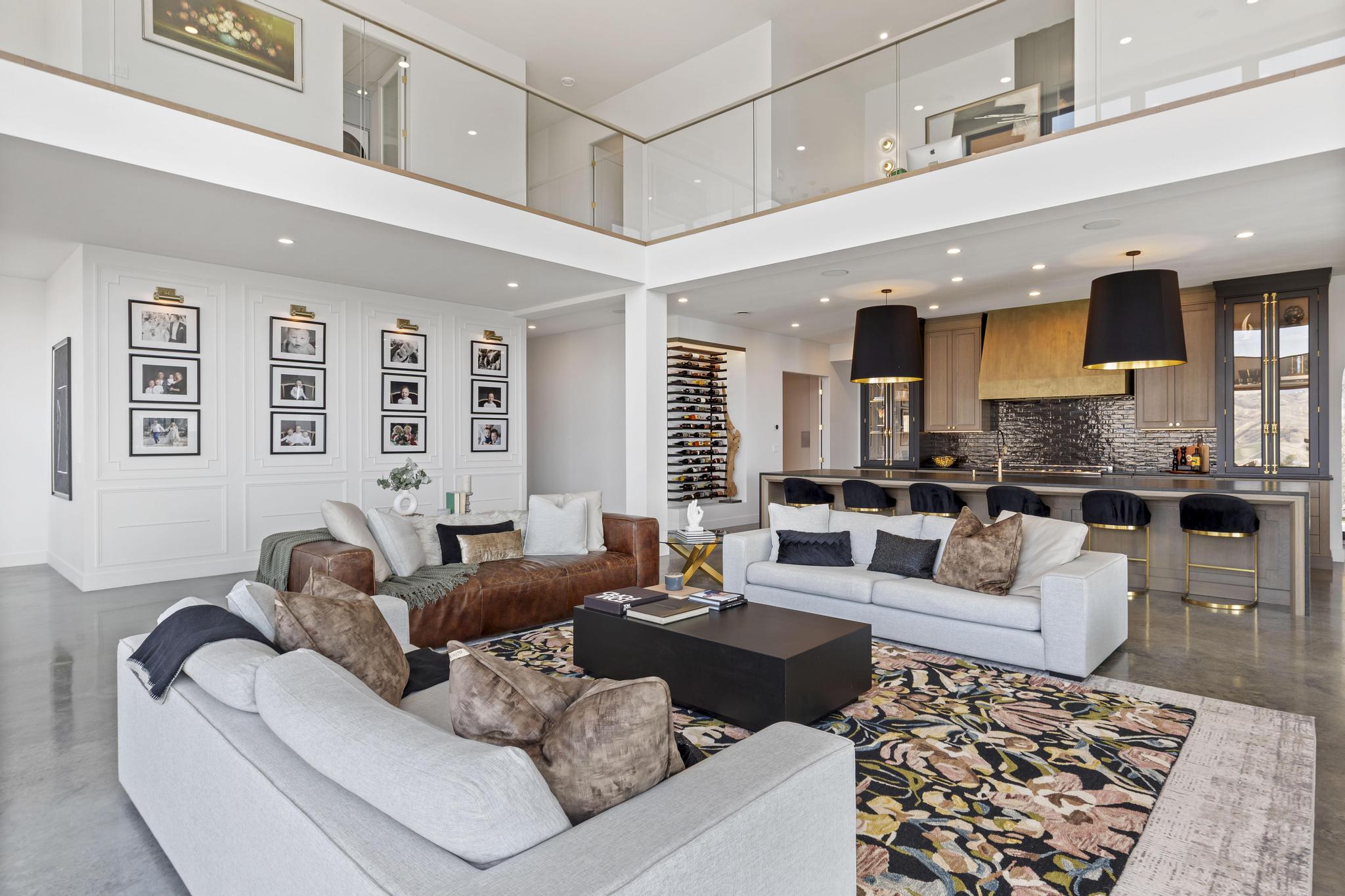
When marketing an exceptional property, the quality of its presentation should reflect the quality of the property itself.
This is not the place to cut corners on photography, cinematic production or the development of compelling marketing assets.
The objective is to communicate the architecture, craftsmanship, atmosphere and experience of living in the residence in a way that genuinely resonates with its intended buyer.
Thoughtfully composed imagery that communicates scale, natural light, materials, architectural details and the property's relationship with its surroundings.
Capture the property's architectural presence, lighting design, outdoor entertaining areas and atmosphere during the transition from daylight to evening.
Where appropriate and permitted, aerial imagery helps buyers understand the property's setting, waterfront, land, privacy, views and surrounding amenities.
Highlight craftsmanship, distinctive materials, custom finishes and specialized features that can be overlooked in conventional room-by-room photography.
Communicate layout, functionality, room relationships and the organization of indoor and outdoor living spaces.
Develop articulate, property-specific descriptions that explain what makes the residence exceptional without relying on generic luxury terminology.
One cinematic property film is not an entire video marketing strategy.
Different video assets serve different purposes. A full-length film may help an interested buyer develop a deeper connection with the property, while a short, compelling piece of content may be what introduces them to the home in the first place.
Depending on the residence and its marketing strategy, we can develop a collection of complementary assets designed for different audiences, platforms and stages of the buying journey.
A polished, story-driven production communicating the architecture, atmosphere, setting and experience of living in the residence.
Purpose-built content for social platforms that introduces the property through compelling visual sequences and distinctive features.
A more informative presentation explaining the layout, construction, specialized features and details that may not be immediately apparent through imagery alone.
Individual pieces highlighting exceptional kitchens, collector garages, waterfront amenities, wellness spaces, architecture or other distinguishing characteristics.
Content communicating the experience of living in the Okanagan, including the property's surroundings, recreational opportunities and relevant community amenities.
Alternative edits, aspect ratios, introductions and promotional assets adapted to the intended distribution channel rather than simply publishing the same video everywhere.
One of the greatest distinctions between real estate marketing strategies is the difference between passive exposure and proactive exposure.
Publishing a listing on the MLS, uploading photographs and waiting for enquiries may create visibility, but it does not necessarily create meaningful exposure to the people most likely to purchase the property.
Luxury properties often appeal to a more selective audience. Reaching that audience requires a deliberate strategy rather than relying exclusively on buyers to discover the home themselves.
The MLS remains an important component of property exposure. However, it should form part of a broader marketing strategy rather than being mistaken for the entire strategy.
Communicate the property's distinctive features to relevant real estate professionals who may be working with suitable buyers.
Leverage appropriate professional relationships, brokerage resources and referral opportunities to extend awareness beyond the immediate local market.
Develop appropriate advertising creative and distribution strategies around relevant property interests, geography and search intent, subject to housing advertising requirements.
Create useful property and community content that supports discoverability through conventional online search and emerging AI-assisted search experiences.
Help prospective buyers from outside the Okanagan understand both the property and the practical advantages of its location.
Respond to enquiries, communicate relevant property information and maintain appropriate follow-up with interested buyers and their representatives.
Introduce the property through relevant marketing channels.
Develop interest through compelling imagery, films and useful information.
Create opportunities for interested buyers to learn more.
Showcase the property and communicate its distinguishing characteristics.
Evaluate offers and negotiate from an informed position.
Manage contractual milestones and support the transaction through completion.
This framework represents the intended marketing and transaction process, not guaranteed buyer conversion or sales performance.
The capabilities of the individual representing your property matter enormously.
Real estate marketing continues to evolve. Technology and artificial intelligence have introduced new opportunities to analyze information, develop marketing assets, improve distribution and create more efficient systems for managing buyer engagement.
An agent who understands how to leverage these tools can extend their capabilities considerably. However, having access to technology is not the same as knowing how to use it effectively.
Use technology and AI-assisted analytical workflows to organize market information, identify relevant patterns, evaluate competition and support more informed pricing decisions.
Leverage appropriate tools to support campaign planning, visual storytelling, content development, video editing and the creation of complementary marketing assets.
Develop property information and online content that can be discovered through traditional search engines and evolving AI-assisted discovery platforms.
Evaluate available engagement data, enquiries, buyer feedback and marketing performance to identify opportunities for improving the campaign.
Use appropriate systems to organize communication, manage enquiries, maintain relevant follow-up and reduce the likelihood of opportunities being overlooked.
Reduce unnecessary administrative work so that more attention can be devoted to strategy, personal communication, property presentation and negotiation.
Artificial intelligence is most valuable when it is combined with experience, professional oversight and a clear understanding of the objective.
Property information and marketing materials should remain accurate, respect client privacy and avoid misleading representations. Material visual alterations should be appropriately disclosed.
One of my strongest beliefs when representing an exceptional property is that the person showcasing it should have a thorough understanding of what makes it exceptional.
It is unreasonable to expect a visiting real estate agent who has never been inside the residence to know every architectural detail, mechanical system, custom improvement or distinctive feature.
They may be an excellent agent representing their buyer, but they cannot be expected to communicate information they have never been given.
For distinctive luxury residences, waterfront properties and estate homes, my preferred approach is to personally attend and assist with private showings wherever practical and appropriate.
This allows me to support the cooperating agent, answer property-specific questions and ensure that meaningful features are not inadvertently overlooked.
Explain distinctive materials, custom construction, documented improvements and features that may not be immediately apparent during a conventional showing.
Demonstrate relevant systems, lighting, climate controls, security features and intelligent home functionality where appropriate.
Communicate relevant information about shoreline access, docks, outdoor amenities, accessory buildings, land and other specialized property characteristics.
Provide available information regarding construction, improvements, maintenance, permits and other details that may help buyers make informed decisions.
Coordinate lighting, presentation, access and the operation of appropriate property features so that the residence can be experienced as intended.
Provide useful information without overwhelming the buyer or interfering with their relationship with their own real estate representative.
There is a balance between showcasing a property effectively and giving buyers sufficient space to explore it, form their own impressions and speak privately with their representative.
My role is to ensure that important information is available and the property's strengths are communicated, while respecting the buyer's experience and the cooperating agent's responsibilities.
Showing arrangements are coordinated with the homeowner and cooperating representatives, with consideration for privacy, availability, accessibility and applicable professional obligations.
Who you choose to represent you can make a meaningful difference in how your property is positioned, marketed, presented and negotiated.
The financial stakes associated with luxury real estate make these decisions particularly important.
Even a relatively small percentage difference in the negotiated price can represent a considerable amount of money. However, price alone does not determine the strength of an offer.
$30,000
$60,000
$90,000
Illustrative percentage differences in transaction price. These figures do not represent guaranteed or historically achieved negotiation results.
Understand the buyer's alternatives, the property's competitive position and the opportunities available before determining how to respond to an offer.
Consider financing, inspections, due diligence, deposits and other conditions that influence the strength and certainty of the transaction.
Anticipate property-specific investigation requirements involving waterfront improvements, land use, construction, servicing and development potential.
Negotiate completion and possession dates with consideration for your financial commitments, relocation plans and next property purchase.
Where appropriate, negotiate arrangements addressing incomplete repairs, outstanding documentation, unresolved property matters and other material obligations.
Identify potential complications, evaluate contingency options and involve appropriate legal or financial professionals when required.
Selling a significant property can involve personal, financial and security considerations that deserve thoughtful attention.
We discuss the appropriate level of exposure, showing arrangements and communication protocols before introducing your home to the market.
Coordinate access in a manner that balances buyer accessibility with your household's schedule, privacy and security requirements.
Where appropriate, establish reasonable and consistently applied qualification procedures before arranging private property viewings.
Handle sensitive personal information and negotiating circumstances with appropriate discretion and professional care.
Discretion should not unnecessarily compromise the effectiveness of a marketing strategy. We work together to establish the appropriate balance between privacy and exposure.
Many luxury homeowners are not simply selling a property. They are repositioning themselves within the real estate market.
Whether you are upgrading, downsizing, relocating or purchasing a waterfront residence, the relationship between your existing property and your next purchase deserves careful consideration.
I have a strong track record of helping homeowners coordinate these complicated transitions, including purchases conditional upon the sale of an existing property.
We consider the market conditions affecting both properties, your financing capacity, negotiating position and contractual safeguards before establishing the most appropriate strategy.
Explore our approach to coordinating both transactions, negotiating subject-to-sale conditions and developing a financial safety net.
The Okanagan offers a diverse collection of luxury residential settings, each with its own characteristics, lifestyle advantages and market dynamics.
Contemporary hillside architecture, natural surroundings and established residential communities.
Explore WildenElevated residential settings, distinctive homes and expansive perspectives across the Okanagan.
Explore Upper MissionEstablished residential areas, waterfront residences and convenient access to recreation and amenities.
Explore Lower MissionVineyard surroundings, distinctive residences and elevated lake-oriented settings.
Explore Lakeview HeightsWaterfront properties, acreage, lakeview residences and a diverse range of residential settings.
Explore Lake CountryContemporary residential development, lakeside surroundings and hillside architecture.
Explore McKinleyEstablished neighbourhoods, family-oriented residences and convenient access to central Kelowna.
Explore GlenmoreElevated homes, distinctive residential settings and central accessibility.
Explore Dilworth MountainAcreages, estate properties, rural surroundings and opportunities for greater space and privacy.
Explore Southeast Kelowna
REAL ESTATE CONSULTANT
ROYAL LEPAGE KELOWNA
My background combines more than 13 years of construction experience with more than 13 years advising real estate clients, professional marketing, strategic negotiation and a strong understanding of technology and artificial intelligence.
I believe exceptional real estate representation requires more than familiarity with the local market. It requires the ability to understand the asset, recognize its distinguishing characteristics, communicate its value and actively create opportunities.
That understanding becomes particularly important when dealing with waterfront properties, custom residences and substantial estates where ownership, construction, development and regulatory considerations can introduce additional complexities.
I continually look for better ways to leverage technology, improve marketing and refine the systems that support my clients.
But technology cannot replace the importance of knowing the property, personally communicating its strengths, understanding people and exercising sound judgment when the financial stakes are significant.
Luxury is an area of specialty, not a minimum price requirement. I bring the same commitment to protecting my clients' interests regardless of the value of their home.
My objective is not simply to sell your property. It is to become someone you trust to advise you, your friends and your family for years to come.
Luxury is not defined exclusively by price. Architectural quality, craftsmanship, privacy, location, waterfront access, views, functionality and distinctive lifestyle characteristics can all contribute to a property's luxury appeal. Different buyers place different levels of importance on these features.
A specialized comparative market analysis should consider adjusted comparable sales, active competition, market absorption, property-specific characteristics, construction quality, land value and relevant buyer demand. Price per square foot can provide context, but it should not be relied upon in isolation.
Estate property valuations consider the principal residence, usable land, location, privacy, infrastructure, accessory buildings, specialized improvements, servicing and permitted uses. These components are evaluated alongside comparable sales and current buyer demand to establish a defensible market value range.
Selling timelines vary considerably depending on the property's price, location, condition, uniqueness and prevailing market conditions. Luxury properties may have a smaller pool of qualified buyers, making realistic pricing and proactive marketing particularly important.
The appropriate timing depends on the property and its intended audience. Waterfront homes and properties with exceptional outdoor living areas may benefit from seasonal presentation, but inventory, buyer demand, financing conditions and your personal circumstances should also be considered.
Exceptional marketing can improve presentation, visibility and buyer engagement, but it cannot reliably overcome a substantial disconnect between asking price and perceived market value. Pricing and marketing must work together to create the conditions for a successful sale.
Proactive marketing goes beyond publishing a listing and waiting for enquiries. It involves identifying relevant buyer priorities, developing compelling marketing assets, actively distributing content, communicating with professional networks, engaging interested parties and monitoring the campaign's performance.
Depending on the property, an effective campaign may incorporate a signature cinematic film, short-form vertical videos, agent-led tours, feature-specific films, lifestyle content and platform-specific promotional edits. Each asset serves a different purpose within the broader marketing strategy.
Technology and AI can support market research, content development, creative production, digital discoverability, campaign analysis and communication workflows. Their effectiveness depends on the expertise of the individual using them, the quality of the underlying information and appropriate professional oversight.
For distinctive properties, personally hosted showings can help ensure that architectural details, specialized systems, custom improvements and other meaningful features are properly communicated. My preferred approach is to personally assist with these showings where practical, while respecting the buyer's experience and coordinating with their representative.
Yes, subject to applicable listing rules, brokerage requirements and your agreed marketing strategy. Showing arrangements, communication protocols and the level of exposure can be discussed before launch. Reduced exposure may also limit the pool of prospective buyers, so the trade-offs should be understood.
Not necessarily. The value of an improvement depends on its cost, quality, relevance to prospective buyers and contribution to the property's competitive position. In some circumstances, maintenance, presentation and selective improvements may be more effective than substantial renovations.
Not every luxury property requires full staging. Thoughtful furniture placement, lighting, decluttering and selective styling may be sufficient. Vacant properties or homes with challenging layouts may benefit from more comprehensive staging.
Waterfront valuations require consideration of the residence, land, waterfront frontage, shoreline usability, water depth, orientation, privacy, access, authorized dock improvements, title arrangements and relevant environmental or development restrictions. Each property's characteristics and legal circumstances require individual assessment.
A riparian area is land adjoining a watercourse or body of water that supports important ecological functions. Applicable environmental protection requirements and development permit regulations may influence vegetation removal, landscaping, excavation and construction near the shoreline.
Compliance depends on the applicable authorizations, historical documentation, location, configuration, environmental conditions and relevant regulatory requirements. The existence of a dock alone does not establish compliance. Property-specific verification with the appropriate authorities may be necessary.
Not necessarily in its existing configuration. Historical permissions, location, environmental conditions and applicable moorage standards may influence what can be repaired, replaced or reconstructed. Required authorizations should be confirmed before undertaking work.
This depends on the property's development envelope, applicable riparian protection requirements, zoning setbacks, flood construction requirements, registered restrictions and site-specific circumstances. These matters should be investigated before making assumptions about development potential.
Not necessarily. Private property boundaries and Crown foreshore must be distinguished. An existing fence, retaining wall or landscaped area does not necessarily establish the legal property boundary. Title review and professional survey advice may be appropriate.
The appropriate response depends on the purchase contract, nature and timing of the damage, available insurance coverage and repair feasibility. Additional negotiations, contractual amendments, repair arrangements or legal advice may be necessary.
Shoreline erosion may affect usable outdoor space, shoreline access, retaining structures, remediation expenses and development potential. Its effect on market value depends on the severity of the issue, the feasibility of restoration and relevant buyer demand. Engineering, environmental or survey expertise may be required.
The ability to repair or replace a retaining wall depends on its location, historical authorization, structural condition and applicable environmental and development requirements. The existence of a wall does not automatically establish the right to reconstruct it in the same configuration.
Certain historical permissions or lawful non-conforming protections may apply in particular circumstances. However, age alone does not establish lawful status or guarantee the right to repair, replace or expand an improvement. Supporting documentation and property-specific verification may be necessary.
Potentially. New docks, shoreline improvements or residential development may affect privacy, views, access and the enjoyment of the property. Applicable setbacks, registered rights, development restrictions and the actual proposed works should be investigated where these matters are material.
The answer depends on the nature of the authorization and its applicable conditions. Some arrangements may require notice, consent, assignment or a new application. The relevant authority should confirm the requirements before the parties rely on a transfer.
Depending on the property and the issues identified, appropriate professionals may include land surveyors, qualified environmental professionals, engineers, dock contractors, insurance professionals, appraisers and real estate lawyers. Relevant local, provincial or federal authorities may also need to be consulted.
Potentially. The appropriate strategy depends on your financial capacity, risk tolerance, market conditions and contractual protections. A carefully negotiated subject-to-sale purchase may be an option, although it can weaken your negotiating position.
Read our complete guide to selling one home and buying another.
Look for specialized valuation expertise, relevant market knowledge, an understanding of construction and distinctive property characteristics, exceptional marketing capabilities, proactive distribution, technological proficiency and strategic negotiation experience.
When selling waterfront or estate properties, also consider the agent's ability to recognize complex ownership, regulatory and due diligence considerations and coordinate with the appropriate professionals.
Ask how the agent intends to personally represent and showcase your property.
No. Simon Ward advises buyers and sellers across a range of price points throughout Kelowna, West Kelowna and Lake Country. Luxury real estate, relocation and complicated move-up transactions are particular areas of specialty.
If you are considering selling an exceptional property, the first conversation should be about more than its asking price.
Let's discuss what makes your property distinctive, who is most likely to recognize its value, how we can proactively reach that audience and what strategy will best serve your objectives.
Whether your property is an architecturally distinctive residence, a waterfront home or a substantial estate, understanding the asset and its complexities is the foundation of an intelligent real estate strategy.
Personalized advice. Thoughtful strategy. No obligation to sell.